Looking For Professional House Painters in Auckland?

Organise a Quote

Organise a Quote

    *Name

    *Phone

    *Address & Suburb

    *Email


    Please contact me to discuss,

    Message


    Weatherboard Paint Stripping in Forrest Hill, Auckland

    Chris Miller — The House Painters
    Chris Miller
    Registered Master Painter · Gold Award Winner · 25+ years painting interior and exterior homes throughout Auckland
    The House Painters, Auckland

    This paint stripping and repainting project in Forrest Hill, Auckland solved a weatherboard failure that had gone beyond what scraping and just painting could achieve. On this 1960s weatherboard home, 52 m² of the 124 m² exterior had decades of failing paint layers to a point where the only path to a quality finish was stripping it back to bare timber.

    The objective was to remove failing paint from the sections that required it, prepare the full 52 m² surface back to a sound finish, and apply a professional Dulux exterior paint system that would deliver 10–12 years of protection. The remaining exterior had been painted by the owner — but the failing sections were beyond what a homeowner could safely tackle, which is where The House Painters came in.

    All work was completed by The House Painters using Paintshaver Pro paint stripping technology, HEPA-filtered vacuum systems, and proven Dulux weatherboard preparation systems. Every stage followed strict dust and debris containment protocols — because on a 1960s property, safe paint removal is as important as the end result.

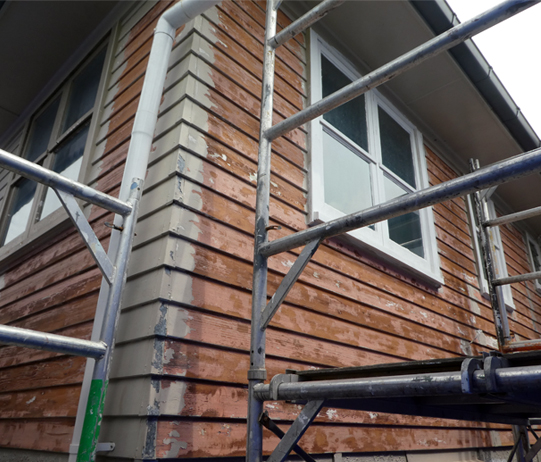
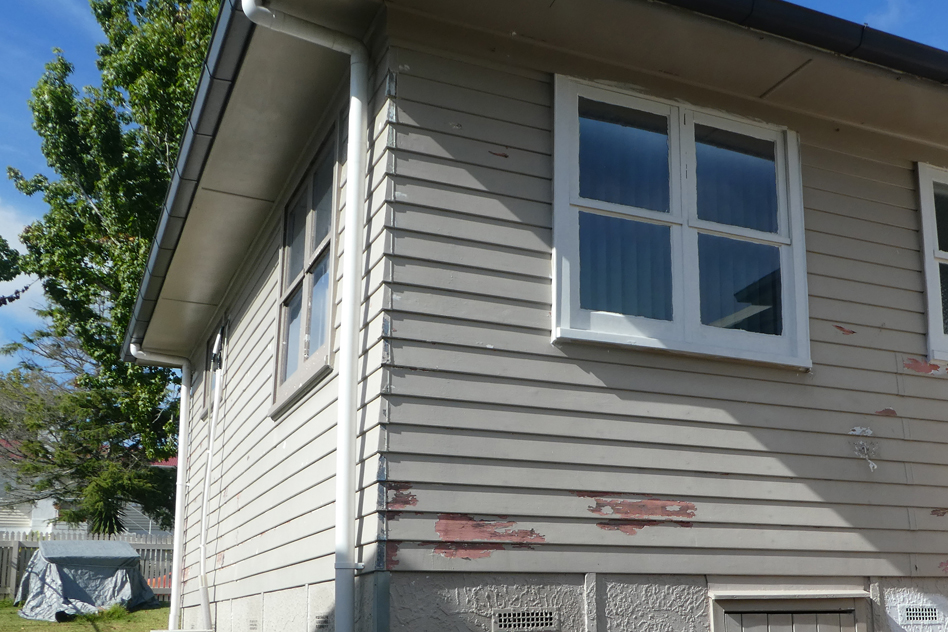
    Forrest Hill weatherboard home before paint stripping with peeling paint and exposed underlayers

    Side elevation showing significant peeling and failing paint after years of sun damage.

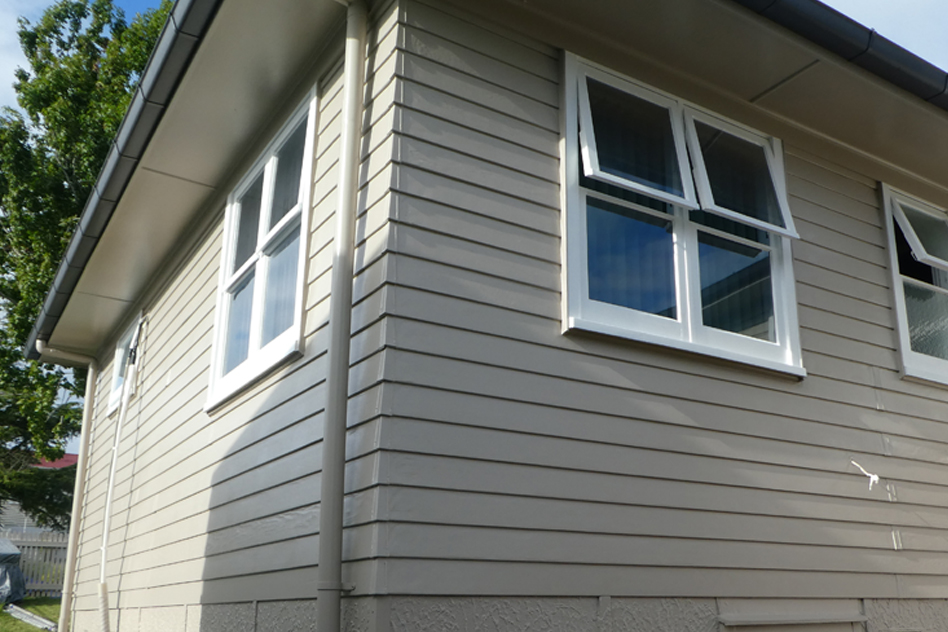
    Forrest Hill weatherboard home after paint stripping and repainting with clean uniform finish

    same elevation showing completed fresh paint system with clean uniform finish

    Before: Failing Paint Beyond Recovery

    By the time this Forrest Hill homeowner called, the weatherboards on the affected sections had told the whole story themselves. The paint was lifting in sheets — multiple layers of failing paint applied over decades, each one unable to hold as the one beneath it failed. Patches of bare timber had become visible across weatherboard faces, whole sections had pulled away, and what remained was fragile enough that scraping alone would never create a sound surface for new paint to bond to.

    The home had almost certainly been repainted several times since the 1960s, with each new layer going over the previous one without proper surface preparation. That accumulation had reached its limit: the combined weight and incompatibility of the system had forced the outermost paint to separate, and no amount of overcoating would reverse that. This was a paint system at the end of its life on the sections that mattered most.

    Forrest Hill weatherboard paint stripping before showing multiple failing paint layers and adhesion breakdown

    Failing paint peeling away exposing bare timber

    Sound Timber, Lasting Protection

    The finished result is straightforward in the best possible way: clean, uniform, well-prepared weatherboards with a consistent Dulux topcoat finish across the full 52 m². There is no visible patchwork, no colour variation at the joins between stripped and non-stripped sections, and no sign of the failure that had been building for years.

    What the finished surface doesn’t show is the work underneath it: the bare timber that the Paintshaver Pro exposed, the filling and sealing that followed, the correct primer applied to every section before topcoat. That preparation is why the result looks this clean — and why the Dulux Weathershield® system on this Forrest Hill home is engineered to last 10–12 years rather than repeating the same failure cycle.

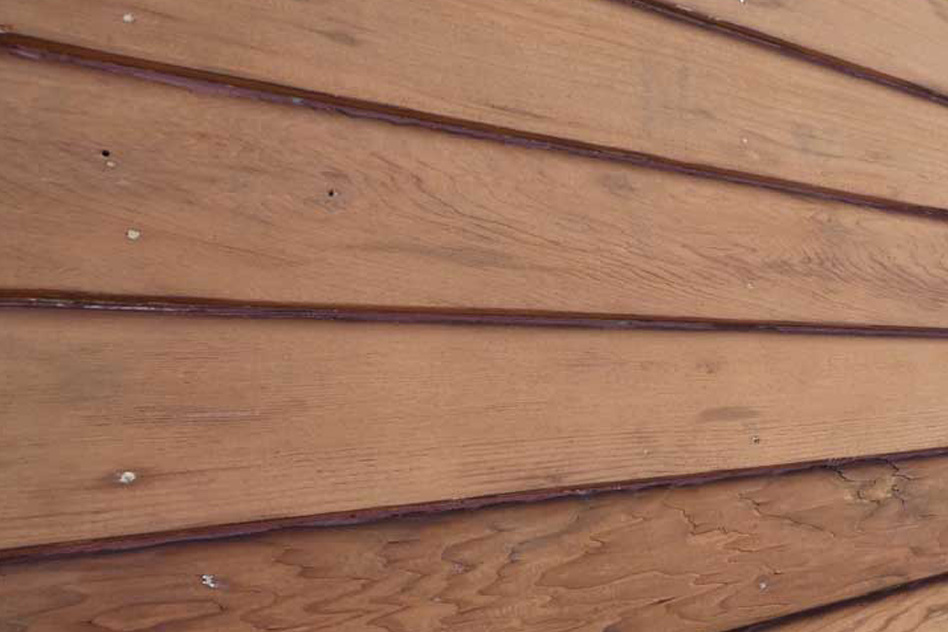
    Forrest Hill weatherboard paint stripping after preparation showing clean timber ready for repainting

    Paint stripped and prepared for a quality finish.

    The Challenge

    Auckland Climate & Weatherboard Challenges

    Auckland’s climate places persistent demands on exterior paint on weatherboard homes. High UV exposure accelerates colour fade and paint breakdown, while temperature fluctuation causes timber movement that stresses rigid paint systems. Frequent rain finds every vulnerable entry point — window frames, weatherboard edges, nail heads — and where preparation has been shortcut at any stage in the property’s history, adhesion fails.

    On a 1960s weatherboard home, those demands compound with time. Every repaint applied over a previous one without proper preparation adds another layer to an accumulating problem. The UV exposure that degrades the bottom layers, the timber movement that stresses the paint above them, the scraping that was never done at previous paint jobs — all of it builds until the system fails from the inside out. When that happens, no new paint applied to the surface will hold. The only way forward is to go back.

    Why Only Paint Stripping Could Fix This

    On the affected sections of this Forrest Hill home, the paint failure pattern was not surface-level. The images from the assessment confirm it: multiple incompatible paint layers, each separating from the one beneath it, with bare timber already visible through the gaps. Scraping removes the loose material at the top. It does not remove the failing layers that remain bonded to the weatherboard below — the layers that will force any new paint applied over them to fail again within 18–24 months.

    Overcoating was not viable on the 52 m² that required stripping. The layer accumulation was too deep and too compromised. The Paintshaver Pro was the correct tool: a vacuum-integrated mechanical stripping system designed specifically for weatherboard paint removal, it strips all failed layers back to bare timber while the integral vacuum contains dust and debris on site. For the remaining 72 m² of exterior, mechanical sanding and scraping back to a sound surface was sufficient — the difference between targeted stripping and whole-house stripping is assessed on site, section by section.

    Why Repainting Over It Would Fail Again

    On the sections requiring stripping, the failure pattern had progressed to the point where the timber itself had been exposed in multiple locations. New paint applied over that surface — even with thorough scraping of the loose material — would be bonding to a mix of bare timber, old primer fragments, and remaining paint layers of varying adhesion quality. The new topcoat would look acceptable for a year, perhaps two. Then the failing layers beneath would force it to separate, and the same patchwork of peeling and bubbling would return across exactly the same sections.

    The homeowner needed a result that would last. That required removing the problem entirely from the worst-affected sections, not painting over it. The cost of doing the job correctly once is significantly less than the cost of repeating a failed paint job within two years.

    Forrest Hill weatherboard paint stripping before condition showing peeling layers and exposed bare timber

    Side elevation showing significant peeling and failing paint after years of sun damage.

    Forrest Hill weatherboard paint stripping after showing bare timber ready for priming

    same elevation showing completed fresh paint system with clean uniform finish

    Project Overview

    Project Type:
    Weatherboard paint stripping and repainting

    Location:
    Forrest Hill, Auckland

    Property Style:
    Weatherboard home (1960s)

    Total Area:
    52 m² (of 124 m² total exterior)

    Scope of Work:

    • Exterior timber weatherboards — 52 m²
    • 5 Windows
    • Fascia and soffits

    Completed Outcomes

    • Paint stripping of 52 m² of exterior timber weatherboards using Paintshaver Pro
    • Mechanical sanding and scraping of remaining 72 m² exterior
    • Windows (5) and exterior joinery
    • Fascia and soffits
    • Full tarpaulin encapsulation and HEPA vacuum containment throughout stripping
    • Surface preparation: sanding, scraping, and filling across all surfaces
    • Priming of all bare timber sections and repaired areas
    • Professional Dulux Weathershield® exterior system applied

    Our 5-Step Paint Stripping Process

    Every paint stripping project completed by The House Painters follows a structured process designed to remove failing paint safely and completely, and to prepare the surface for a paint system that will perform at the highest standard. On this Forrest Hill home, that process was applied across 52 m² of weatherboard where the existing paint system had reached the end of its serviceable life.

    1

    Assessment

    Before any work begins, every weatherboard section is assessed to determine which areas require paint stripping and which can be addressed with scraping and sanding alone. The assessment is not simply about identifying where paint is visibly failing — it is about identifying where the failure runs deep enough that overcoating will not hold.

    On this Forrest Hill home, the assessment confirmed that 52 m² of the 124 m² exterior had accumulated incompatible paint layers to a depth that could not be resolved without paint stripping. The remaining 72 m² had already been painted by the homeowner.

    Forrest Hill weatherboard home before paint stripping with peeling paint and exposed underlayers

    Full property assessment — every surface inspected before preparation begins

    2

    Preparation & Containment

    Safe paint stripping on a 1960s property starts with containment — before the Paintshaver Pro comes out. On this Forrest Hill project, the full tarpaulin encapsulation visible in the project images was erected around the work area before any stripping began. Every surface adjacent to the work zone was sheeted. The HEPA-filtered vacuum system was connected and tested. The DANGER — PPE Required signage went up. Only then did stripping commence.

    This is the correct approach for a property of this age. Paint applied before the 1970s may contain lead, and mechanical stripping generates fine dust. The Paintshaver Pro’s integral vacuum captures dust and debris at the cutting head, and the tarpaulin containment captures anything that escapes. All material is bagged, labelled, and removed from site for disposal under strict waste management requirements. The homeowner, the site, and the neighbourhood are protected throughout.

    Forrest Hill paint stripping containment setup with tarpaulin and PPE signage for safe paint removal

    Thorough preparation of all surfaces

    3

    Paint Stripping

    The Paintshaver Pro is a vacuum-integrated mechanical paint stripping system designed specifically for weatherboard homes. A rotating carbide cutter removes paint layers from the face of the weatherboard while the integral vacuum captures the released debris directly at the cutting head. This combination allows the operator to strip back to bare timber efficiently and cleanly, without generating the free-floating dust that traditional heat guns or scrapers release.

    On this Forrest Hill home, the Paintshaver Pro was used across the 52 m² that required full removal. Working systematically across all affected weatherboard sections, the machine stripped every failed paint layer back to bare timber — leaving a clean, sound surface that a primer and topcoat could bond to directly. The difference between the bare timber visible in the stripping images and the failed surface that preceded it is what makes the 10–12 year durability of the finished system possible.

    Forrest Hill weatherboard paint stripping in progress showing bare timber exposed with scaffold access

    Systematic preparation — scraping, sanding, and filling across all 52 m² of weatherboard and joinery

    4

    Vacuum Sanding

    Following stripping, all stripped surfaces are sanded using commercial orbital sanders connected to vacuum systems. Sanding after stripping serves two purposes: it removes any remaining paint fragments the Paintshaver Pro did not lift, and it creates a consistent, smooth surface profile that maximises primer adhesion across the full stripped area.

    The vacuum connection keeps the sanding dust contained throughout — material is captured directly into bags at the sander rather than settling across the work area. The remaining 72 m² did not require stripping, as this work had already been completed by the homeowner.

    Forrest Hill weatherboard paint stripping after vacuum sanding showing smooth bare timber surface

    All bare timber and repaired surfaces primed — this ensures excellent adhesion for the topcoats

    5

    Priming, Filling & Topcoat

    All bare timber sections — exposed through Paintshaver Pro stripping — were primed with the correct primer for bare weatherboard timber before any topcoat was applied. Metal surfaces including nail heads received iron primer. This step is not optional on a stripped surface: bare timber that goes directly to topcoat without primer will not achieve the adhesion the paint system requires, and the service life of the topcoat will be significantly reduced.

    With all surfaces primed, a full inspection identified any surface imperfections — nail holes, cracks, weatherboard damage — which were filled and sanded smooth, then re-primed before topcoat application. Two full coats of Dulux Weathershield® Low Sheen were applied to all weatherboards, fascia, and soffits. Windows and joinery received Dulux Aquanamel® Semi Gloss. Quality control checks at each coat confirmed uniform coverage and consistent film thickness across the full 52 m² before work was signed off.

    Forrest Hill weatherboard home after paint stripping with clean uniform exterior finish

    Dulux Weathershield applied to weatherboards, fascia, soffits, handrails in Alabaster

    Products Used

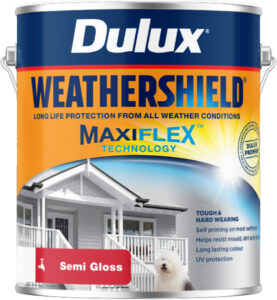
    Dulux Weathershield® Low Sheen

    Weatherboards, Fascia, Soffits

    Dulux Weathershield® has been specially designed to provide a tough, hard-wearing finish that provides protection from all weather conditions. Formulated with MaxiFlex™ Technology to expand and contract with the surface.


    • Long-life protection from all weather conditions
    • Eco Choice Aotearoa approved
    • Exclusive MaxiFlex™ formulation
    • Made in New Zealand
    Dulux Weathershield® Semi Gloss

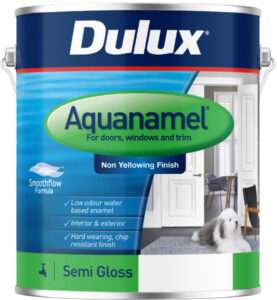
    Dulux Aquanamel® Semi Gloss

    Windows

    Dulux Aquanamel® Semi Gloss is a non-yellowing, water-based interior and exterior acrylic enamel that dries to a glossy and durable, chip-resistant finish. Aquanamel® Semi Gloss can be used in most areas were traditional oil-based enamels are applied with the time-saving benefits of an acrylic paint.

    • Long-life protection from all weather conditions
    • Eco Choice Aotearoa approved
    • Chip-resistant
    • Non-yellowing finish
    • Made in New Zealand
    Dulux Aquanamel® Semi Gloss

    The Result

    The House Painters are Registered Master Painters with over 25 years of experience in exterior weatherboard painting and paint stripping across Auckland. The Paintshaver Pro technology, HEPA vacuum containment systems, and strict waste management protocols applied on this Forrest Hill project are the standard The House Painters bring to every paint stripping job — not an upgraded service level.

    This Forrest Hill weatherboard home now has a paint system that starts from the right place: bare, sound timber that has been primed, filled, and prepared correctly before a topcoat was applied. The peeling, the layer accumulation, the sections of bare timber that had been fighting the paint above them for years — all of it is gone. The Dulux Weathershield® system on sound stripped timber is engineered for 10–12 years of durable protection. That window only opens when the preparation is done correctly.

    Paint stripping costs more than just painting over. It costs significantly less than repeating a failed paint job in two years.

    Frequently Asked Questions

    When does weatherboard paint need to be stripped rather than repainted?
    Paint stripping is required when the existing paint system has failed at the adhesion level — typically where multiple incompatible layers have accumulated over decades, and where the lowest layers are separating from the timber beneath them. On the 52 m² sections of this Forrest Hill home, scraping alone could not remove the failed layers, because those layers were not simply loose at the surface: they were bonded to the timber unevenly, with active failure still progressing beneath any remaining paint. New paint applied over that condition will separate within 18–24 months. Stripping removes the problem entirely.
    What is the Paintshaver Pro and how does it work?
    The Paintshaver Pro is a vacuum-integrated mechanical paint stripping system designed specifically for weatherboard homes. A rotating carbide cutter removes paint from the weatherboard face while an integral vacuum captures all released dust and debris directly at the cutting head. This combination strips paint back to bare timber efficiently while containing the dust that traditional heat guns or scrapers release freely into the air — which is critical on older properties where paint may contain lead.
    Is paint stripping safe on a 1960s house?
    Yes — when done correctly. Paint applied before the 1970s may contain lead, which means mechanical paint stripping on a 1960s property requires proper containment from the start. On this Forrest Hill project, full tarpaulin encapsulation was erected around the work area before stripping began, HEPA-filtered vacuum systems were used throughout, and all waste was removed and disposed of under strict waste management requirements. This is the correct standard for paint stripping on properties of this age. Painters who strip paint on 1960s homes without these measures are not operating safely.
    What is the difference between paint stripping and sanding/scraping?
    Scraping and sanding remove loose and surface-level paint — material that is no longer bonded or has lifted enough to be physically removed by hand tools or an orbital sander. Paint stripping with the Paintshaver Pro removes all paint layers mechanically back to bare timber, including layers that are still adhered but incompatible with a new paint system above them. The correct approach depends on the condition of each section of the property — on this Forrest Hill home, 52 m² required stripping and 72 m² was adequately prepared by sanding and scraping alone.
    How long will the result last after paint stripping?
    A premium Dulux Weathershield® system applied over correctly stripped, primed, and prepared bare timber is engineered for 10–12 years of durable performance. That service life is not achievable by overcoating failing paint — it requires the preparation depth that stripping provides. The previous paint system on the affected sections of this Forrest Hill home had likely been accumulating for 50+ years. The new system starts from a clean foundation and is expected to deliver a full service life.

    Service area

    The House Painters provides professional weatherboard paint stripping and exterior painting services in Forrest Hill and across Auckland’s North Shore. Projects are regularly completed in Glenfield, Northcote, Birkenhead, Milford, Takapuna, Devonport, Bayswater, Beach Haven, and surrounding suburbs.

    Service areas: Forrest Hill, Glenfield, Northcote, Birkenhead, Milford, Takapuna, Devonport, Bayswater, Beach Haven, Hillcrest, Albany, Browns Bay.

    Need Paint Stripping on Your Weatherboard Home?

    If your weatherboards are peeling, flaking, or showing signs of deep adhesion failure, overcoating may not be the answer. Request a free assessment and quote — we’ll tell you honestly whether stripping is required and what it will cost.

    • Free quote and site assessment — no obligation
    • Registered Master Painters with 25+ years experience
    • Paintshaver Pro technology — safe, dust-contained paint stripping

    Are You ready To Get That Painting Project Started?

    Simply fill in your details and we will get in touch to get your house painting journey started today!

    Forrest Hill weatherboard paint stripping after repainting with Dulux Weathershield finish

      *Name

      *Phone

      *Address & Suburb

      *Email

      Please contact me to discuss,

      Message

      More Ways To Get In Touch

      Organise Your Free Quote:

      • Phone: 022 657 3215

      • Email: sales@thehousepainters.co.nz

      • Quotes: Request a Free Quote

      • Visit: www.thehousepainters.co.nz

      Service Hours:
      Monday to Friday: 7:00 AM – 5:00 PM
      Saturday: By appointment
      Sunday: Closed

      Follow Our Projects

      See our latest exterior and interior painting transformations across Auckland:

      Forrest Hill Painters – Interior & Exterior Painting Auckland

      We provide professional house painting services in Forrest Hill, backed by full interior and exterior painting coverage across central Auckland and nearby inner-city suburbs.

      House Painting Services – Across Auckland

      Looking for professional painters near you? We provide residential interior & exterior painting services across Auckland, including the North Shore, Central Auckland, Eastern Bays, and surrounding suburbs.

      North Shore House Painting Services

      Providing professional residential house painting services across Auckland's North Shore, including coastal, bayside, and established suburbs.

      Albany Bayswater Beach Haven
      Belmont Birkenhead Browns Bay
      Campbells Bay Castor Bay Devonport
      Forrest Hill Glenfield Greenhithe
      Hauraki Corner Hillcrest Mairangi Bay
      Milford Narrow Neck Northcote
      Northcote Point Takapuna Torbay
      West Harbour

      Central Auckland House Painting Services

      Specialist residential house painting services for villas, character homes, and established residences throughout central Auckland.

      Eden Terrace Freemans Bay Grey Lynn
      Herne Bay Kingsland Mount Albert
      Mount Eden Parnell Point Chevalier
      Ponsonby Saint Marys Bay Sandringham

      South & Central-South Auckland House Painting Services

      Trusted residential house painting services for family homes across Auckland's south and central-south suburbs.

      Ellerslie Epsom Greenlane
      One Tree Hill Three Kings

      Eastern Bays House Painting Services

      Specialist residential house painting services for Auckland's Eastern Bays, including seaside and premium residential areas.

      Glendowie Kohimarama Meadowbank
      Mission Bay Orakei Remuera
      Saint Heliers Saint Johns

      North-West & West Auckland House Painting Services

      Reliable residential house painting services across Auckland's north-west and western suburbs.

      Hobsonville Massey Ranui
      Riverhead Te Atatu Peninsula Te Atatu South

      Follow Us On Social Media