Looking For Professional House Painters in Auckland?

Organise a Quote

Organise a Quote

    *Name

    *Phone

    *Address & Suburb

    *Email


    Please contact me to discuss,

    Message


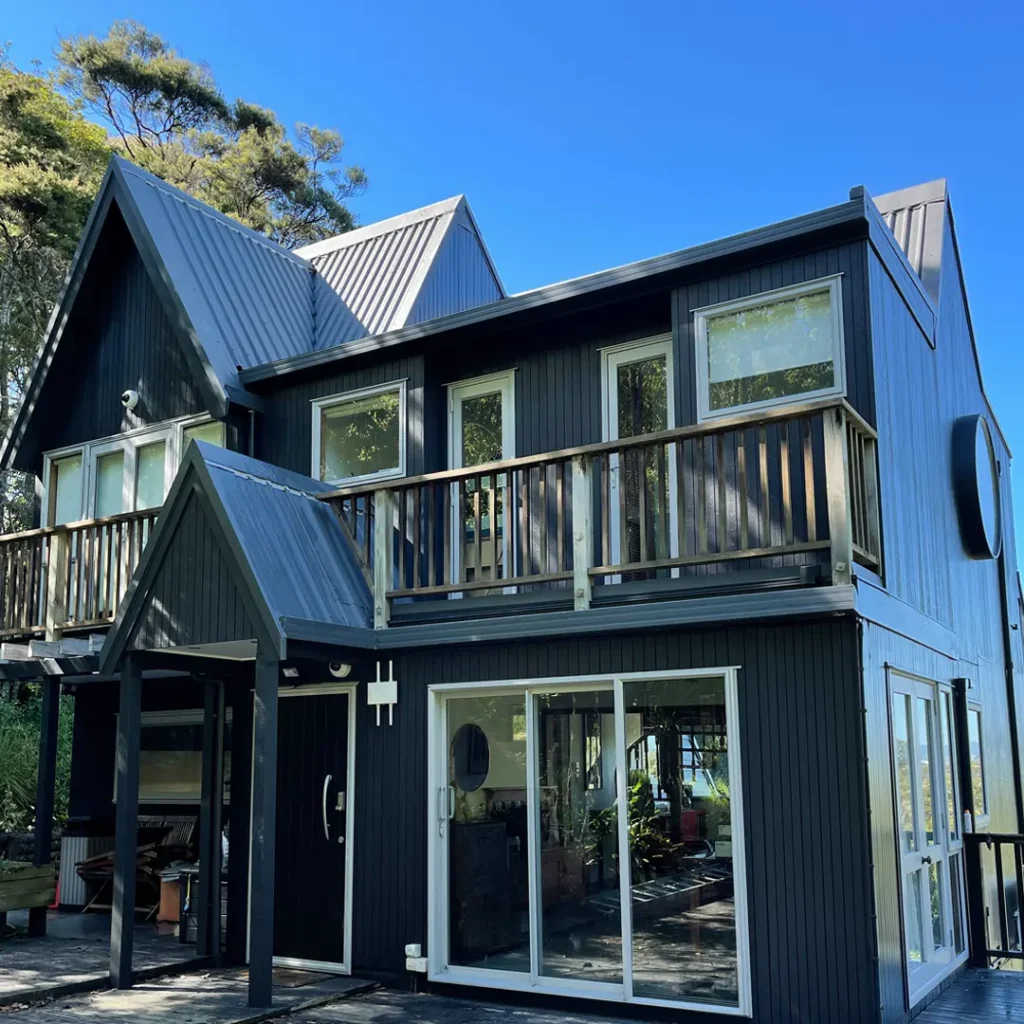
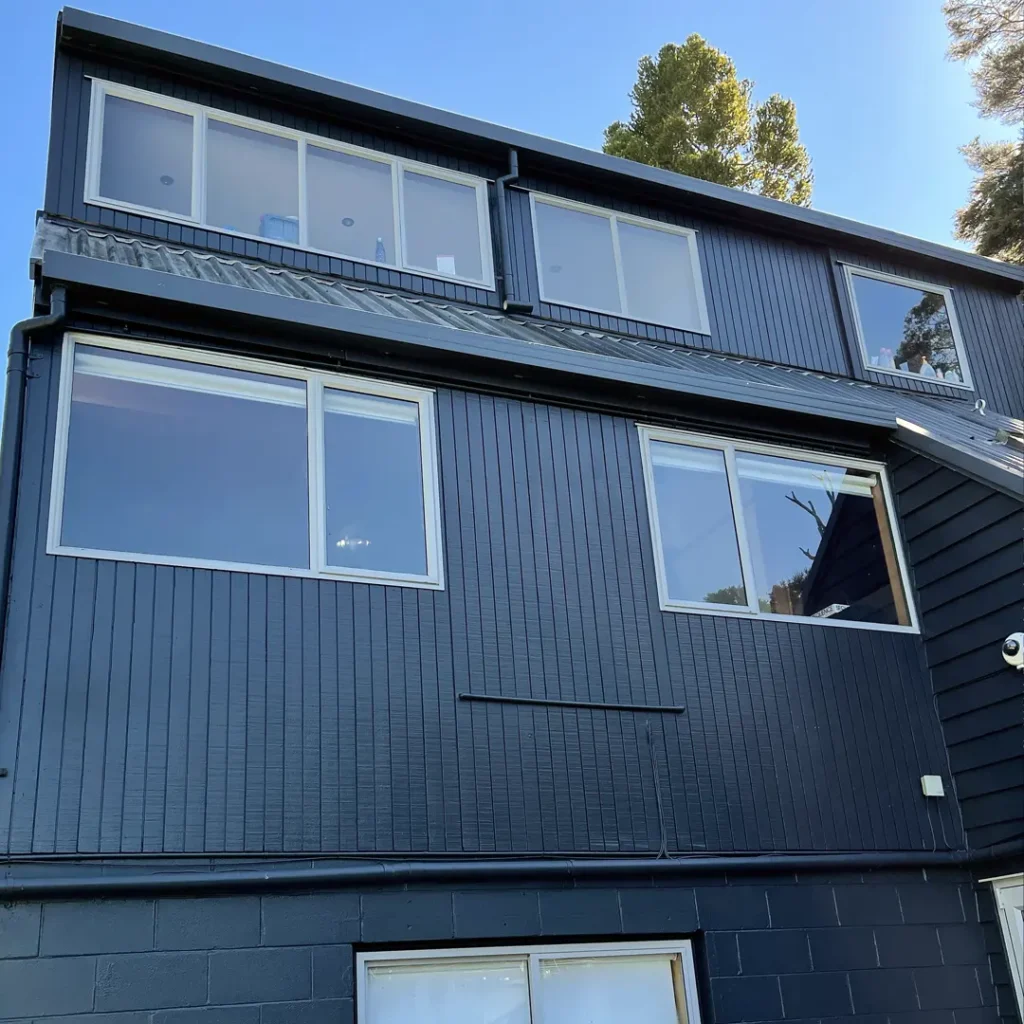
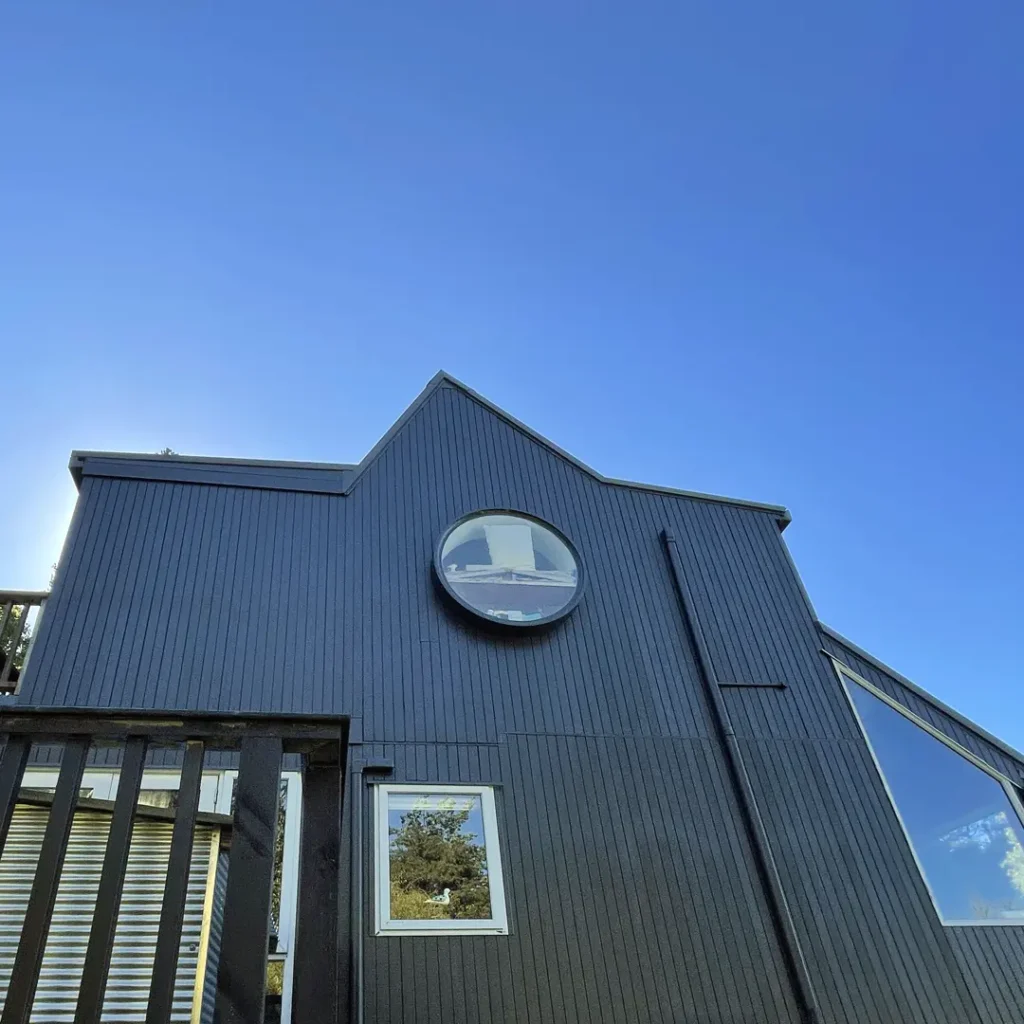
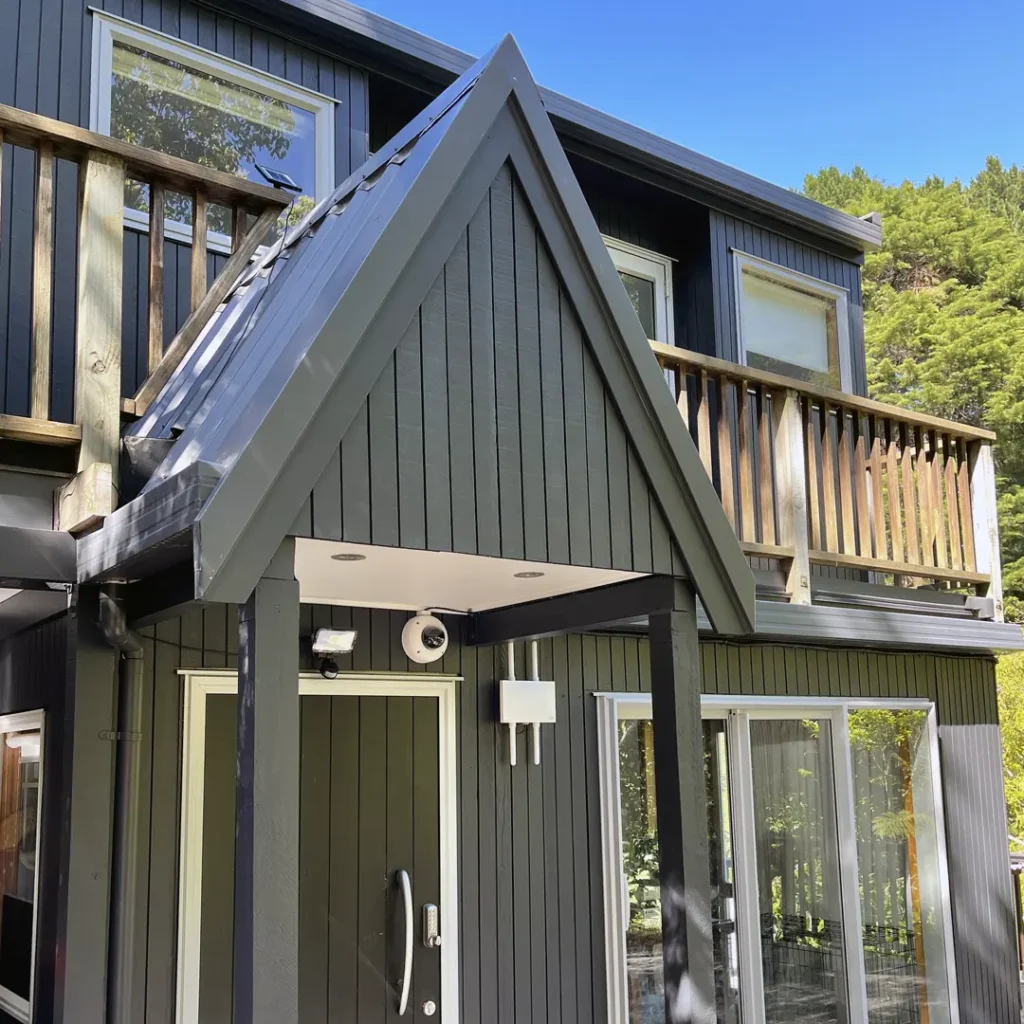
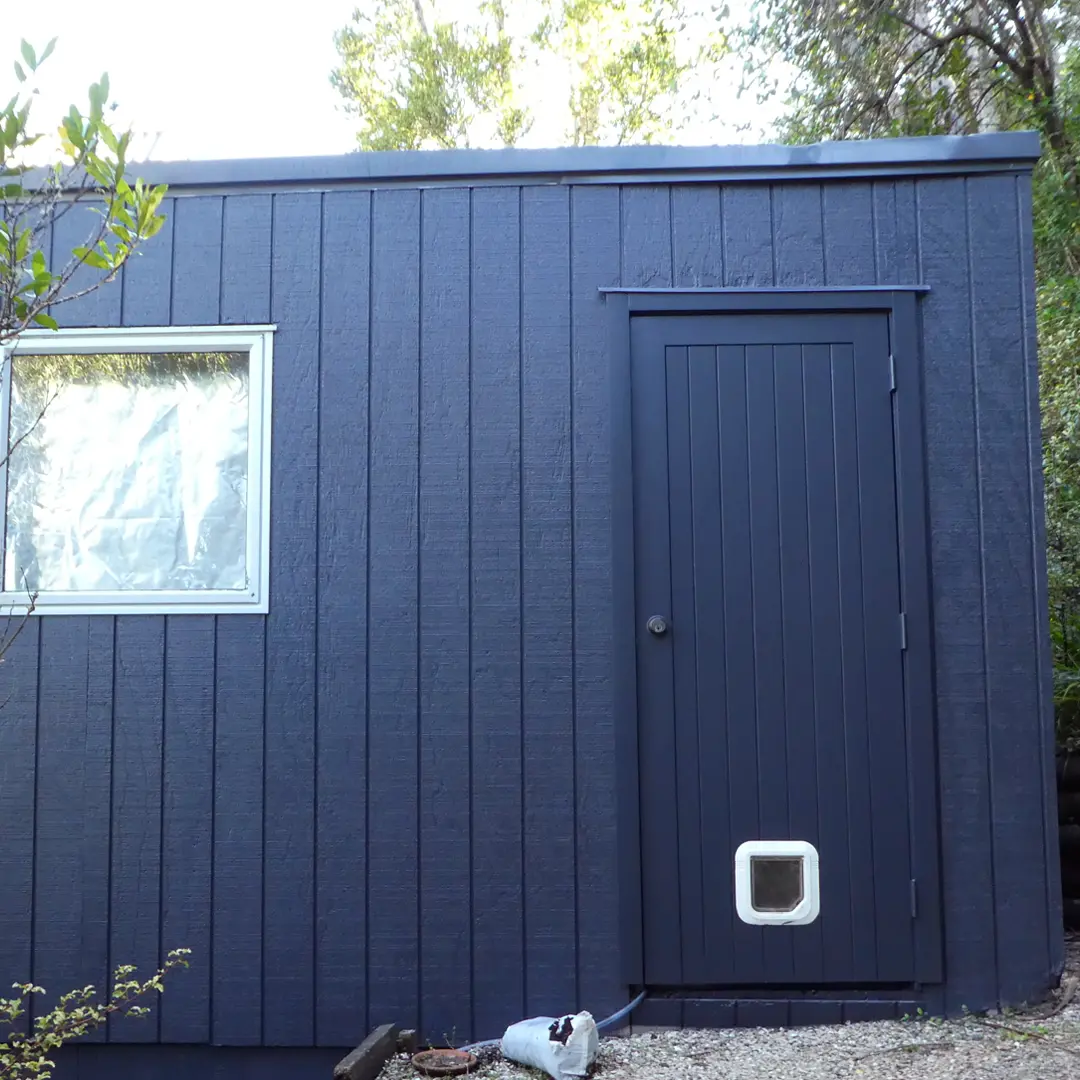
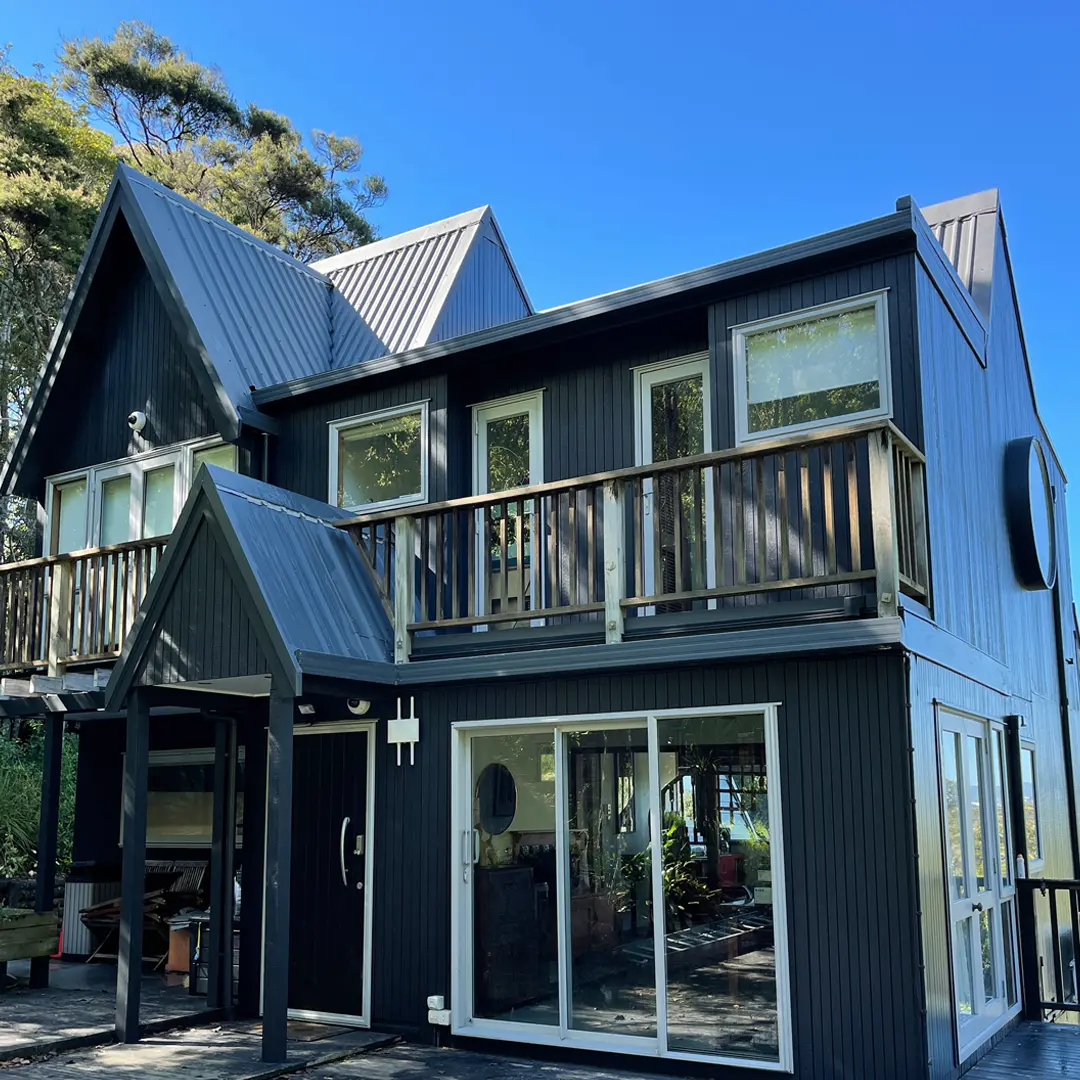
    The picture shows the exterior of a darkened house that has been painted with Weathershield® ColourGuardTM Rawene. It has features like vertical cladding, a deck, aluminium windows, and round windows.

    Discover How Exterior Painting Transformed This Secret Bush Hideaway

    Project Introduction

    Nestled down a long driveway surrounded by spectacular bush this home provided a quiet and peaceful sanctuary for an active outdoor family. Unfortunately over the years the relentless wind, rain, sun and nature had battered this once grand and was in desperate need of exterior painting.  When the house painters arrived to provide a free quote it was obvious what need to be done to bring this home back to life using specific products that offered protection and good looks it for many years to come. To discover exactly how we did this, find all the details with incredible before and after’s in the article below.
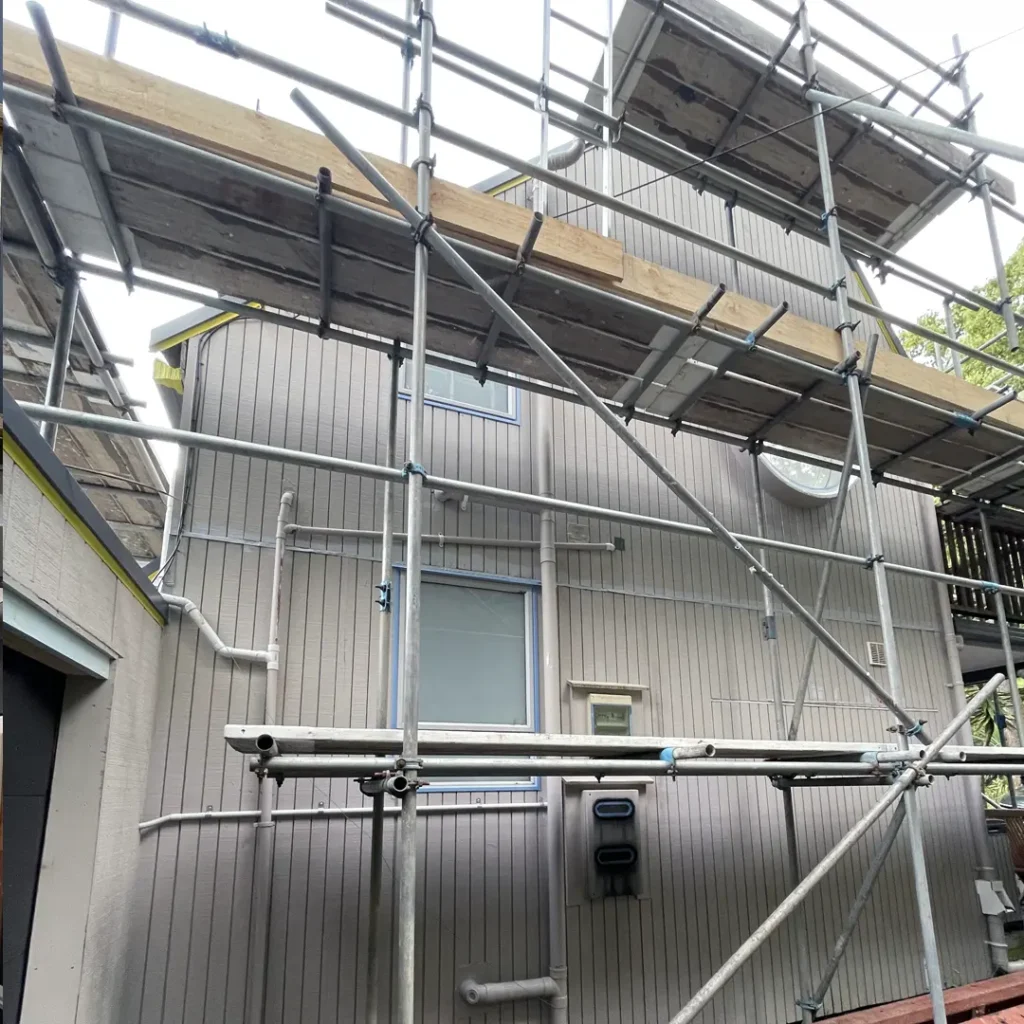
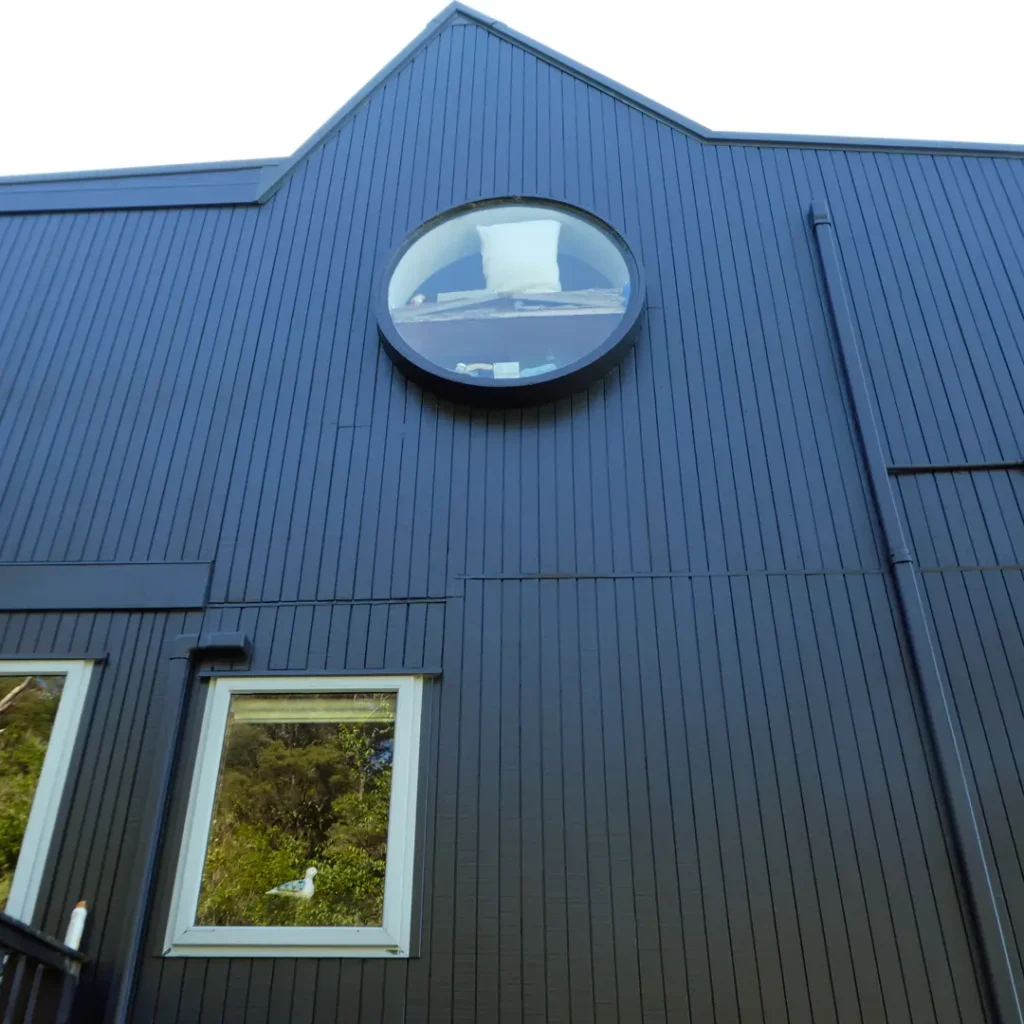
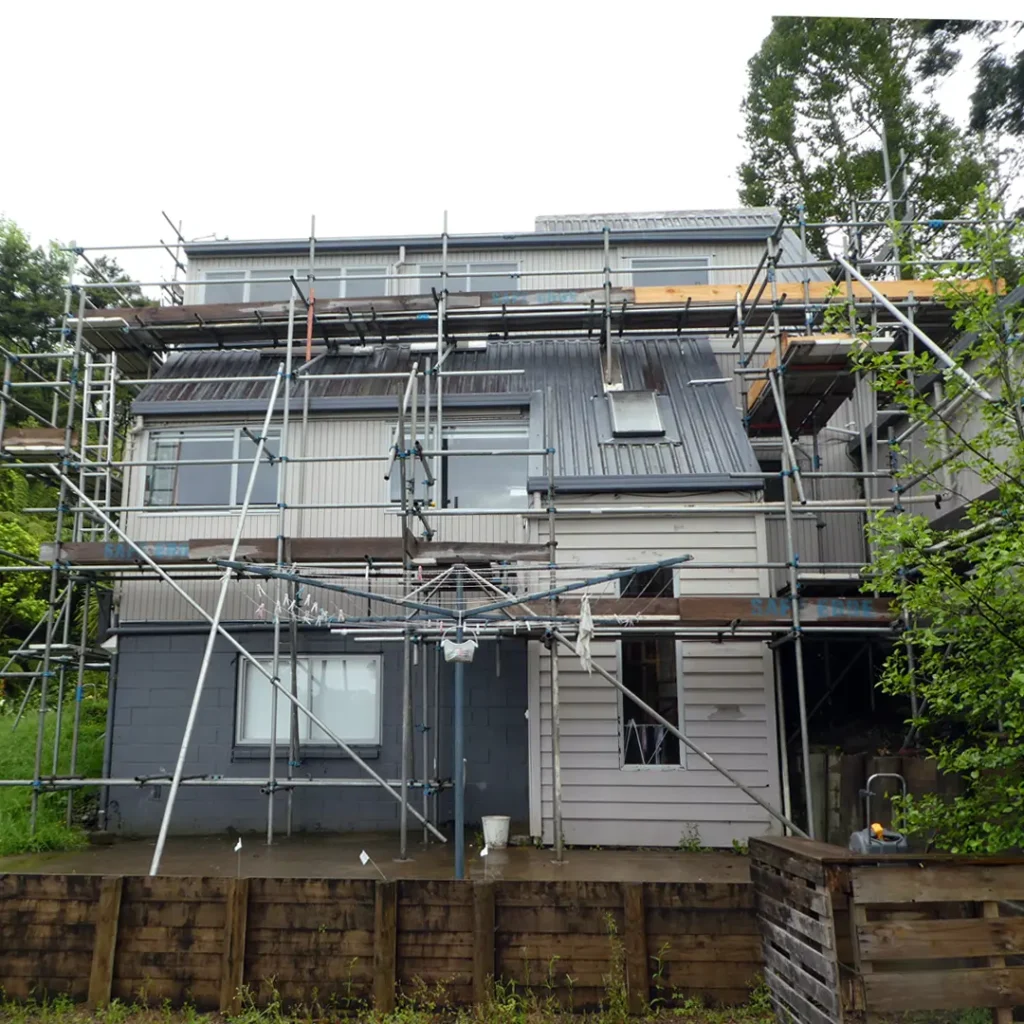
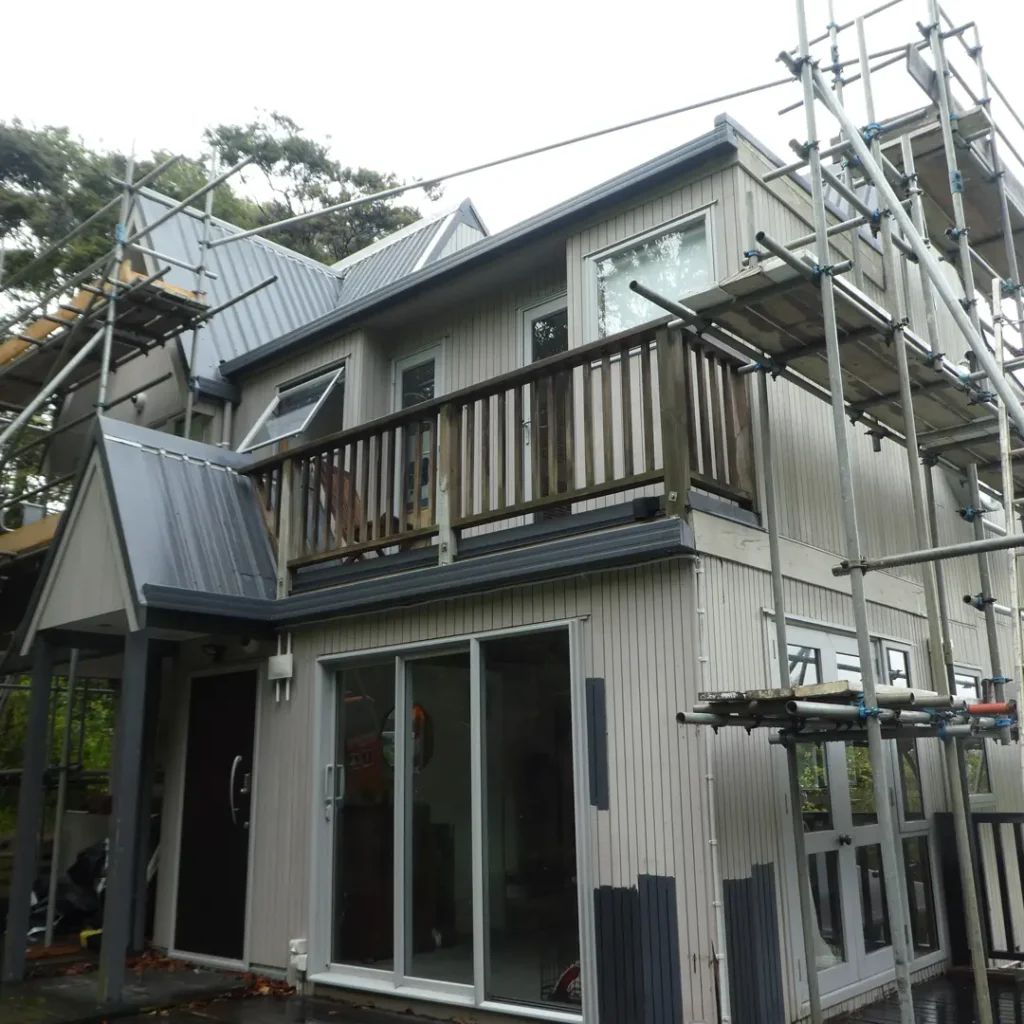
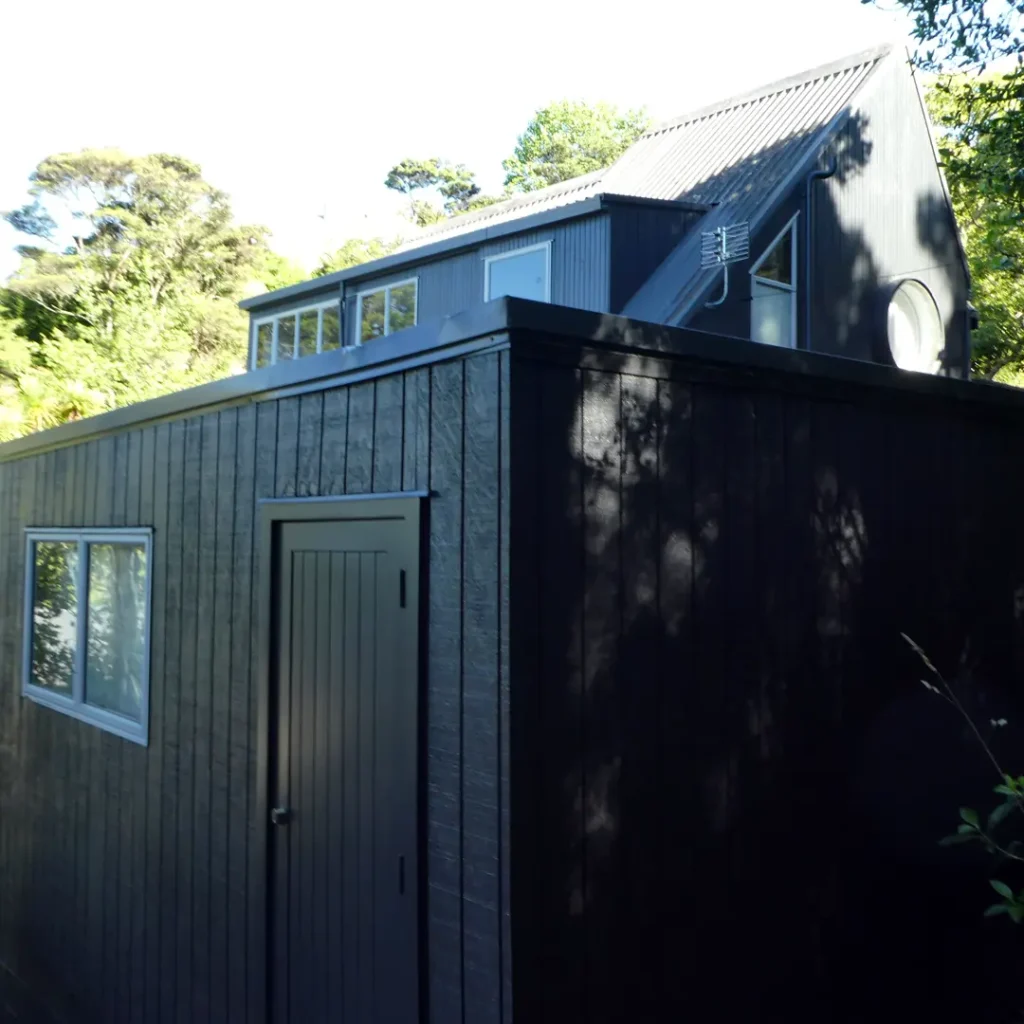
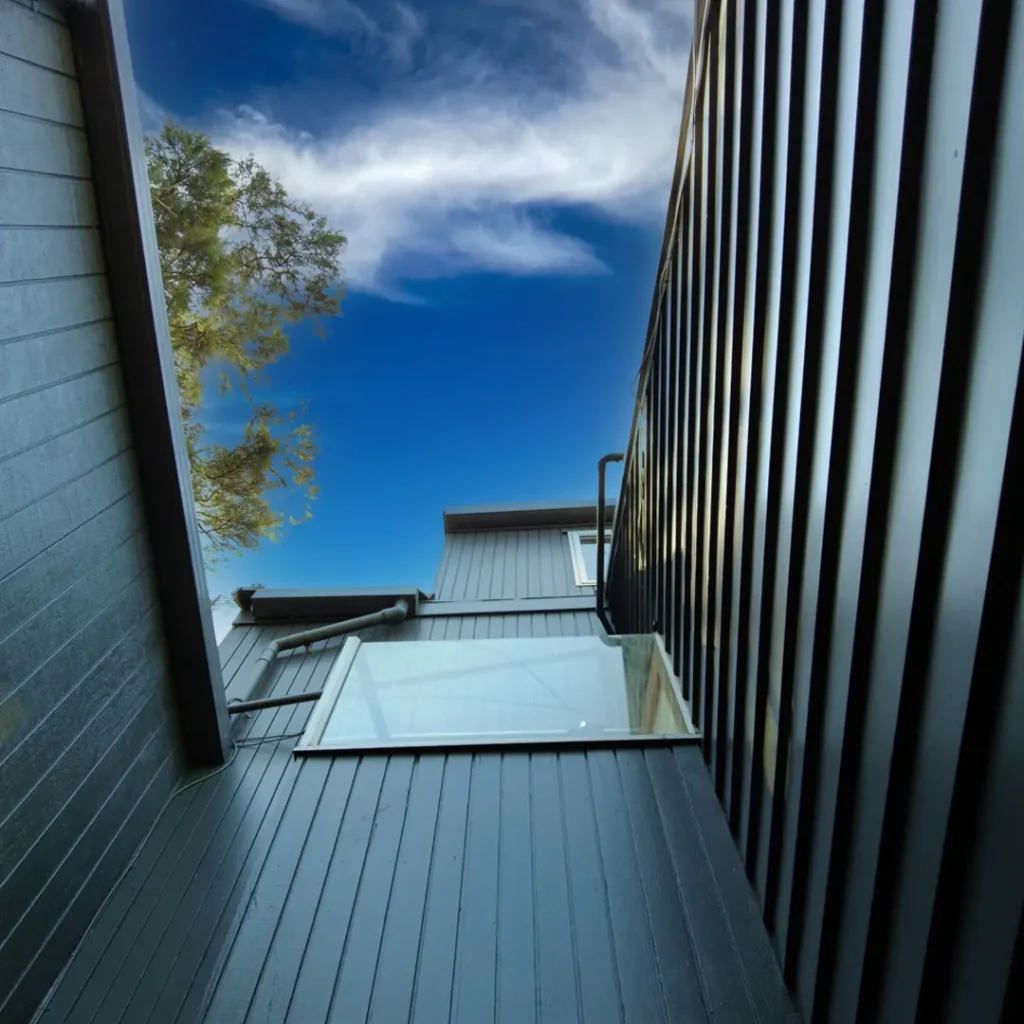
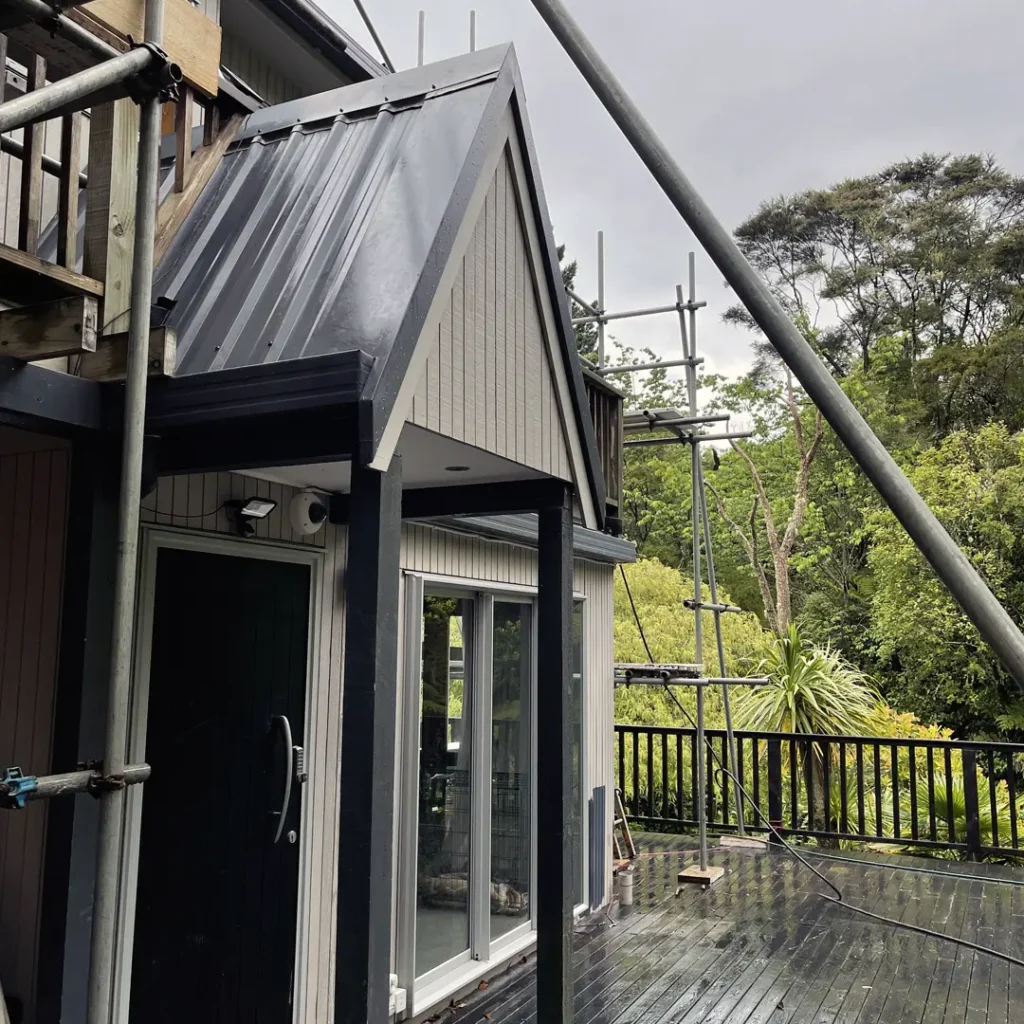
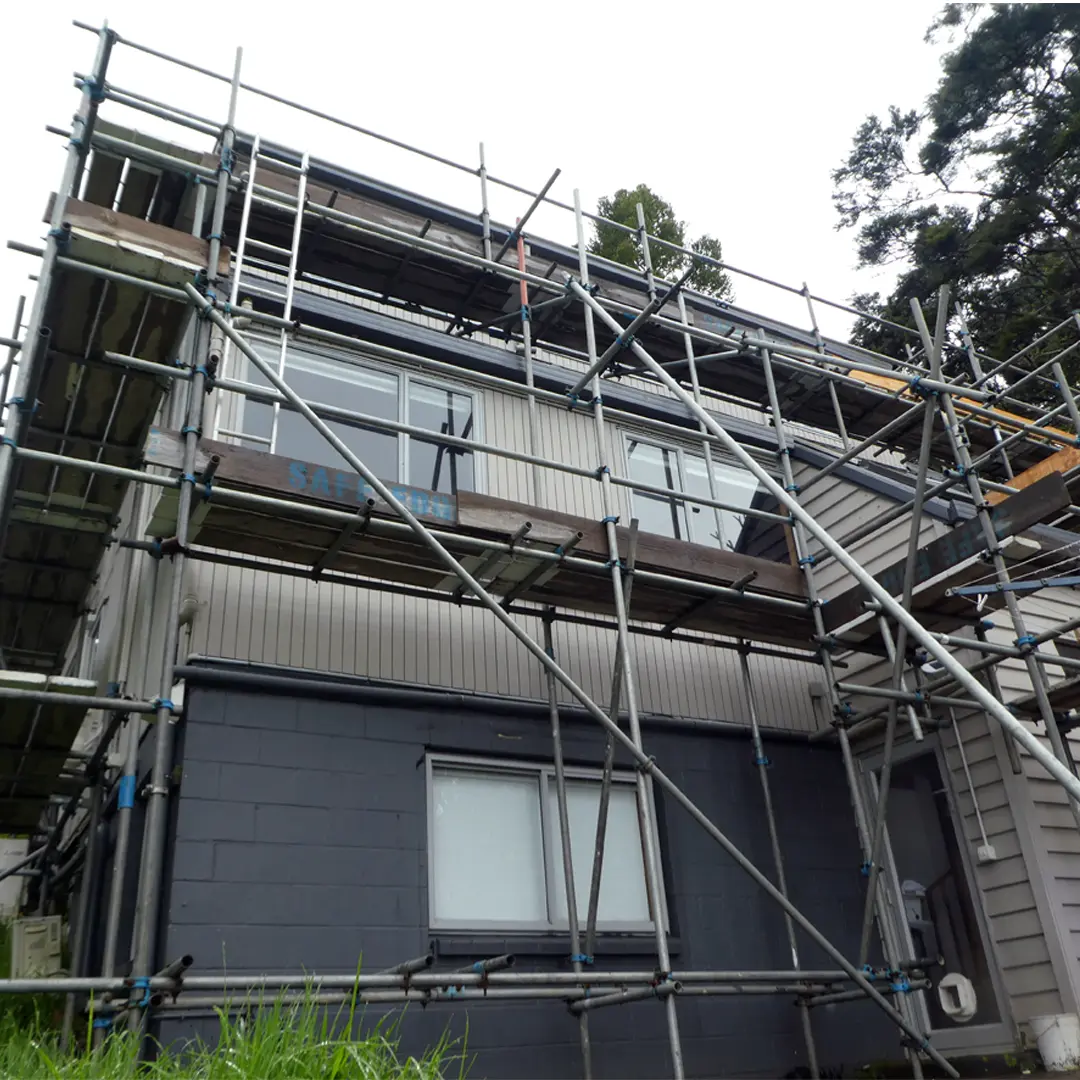
    The image depicts a house in preparation for its exterior paint job. The scene is framed by trees and the sky and features a deck, scaffolding, roof, aluminum windows, and vertical cladding.
    Exterior Painting

    Hannah Doherty

    It was a pleasant change to have tradesmen turn up when they say they are going to and get the job done within the time they specify – with good service and a great result – many thanks.

    Our Painting Process

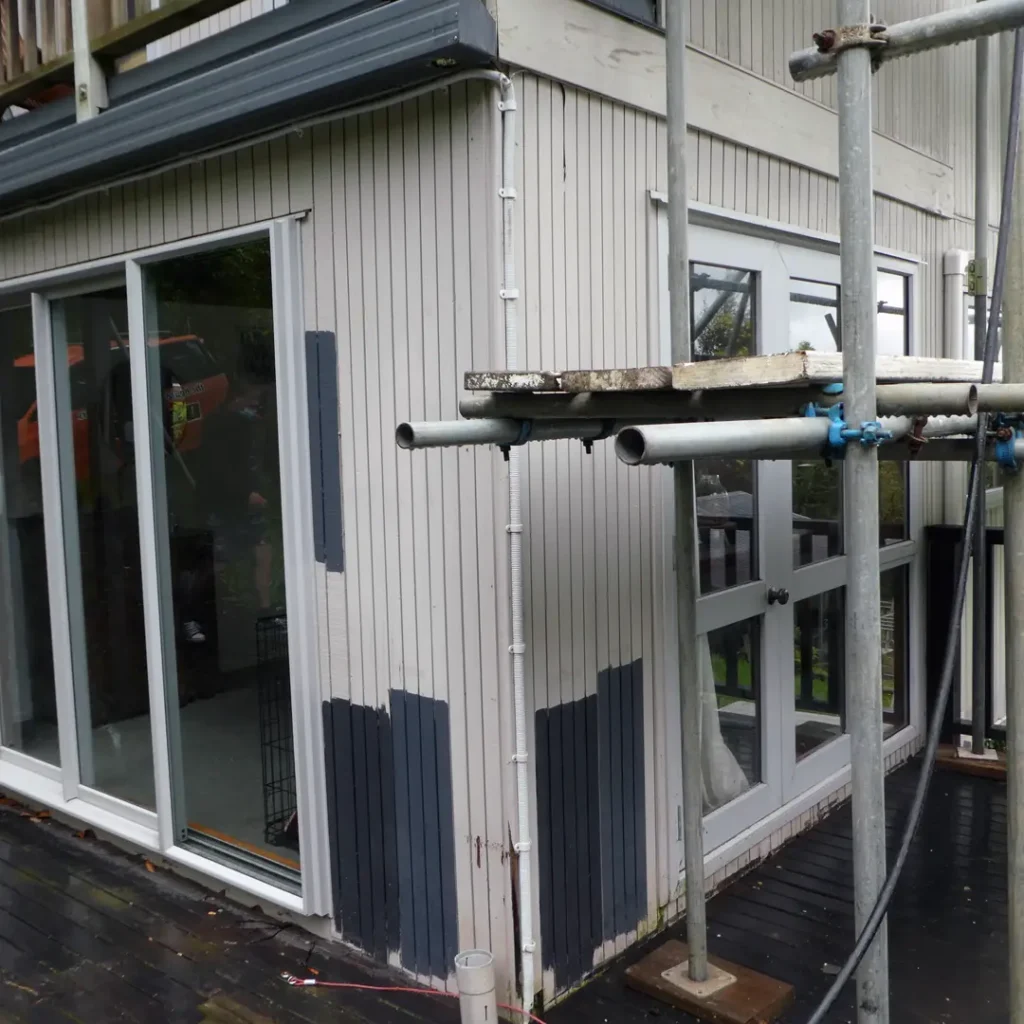
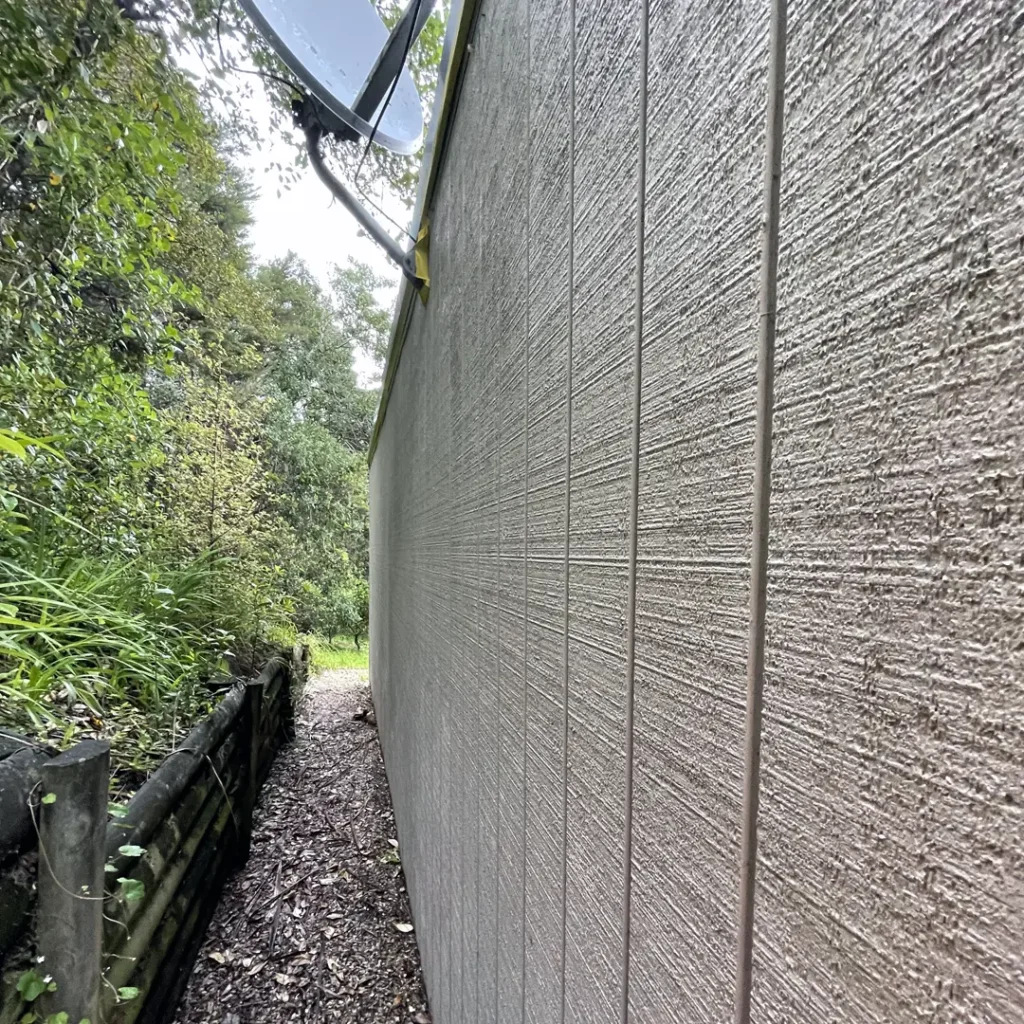
    Being situated in the bush the this home had a lot of moss, lichen and dirt growth. Our first process was the house wash which eliminated all organic growth, and cleaned away many years of dirt and grime. We also sanitised the entire surface to ensure all unseeable spores were neutralised and eliminated.

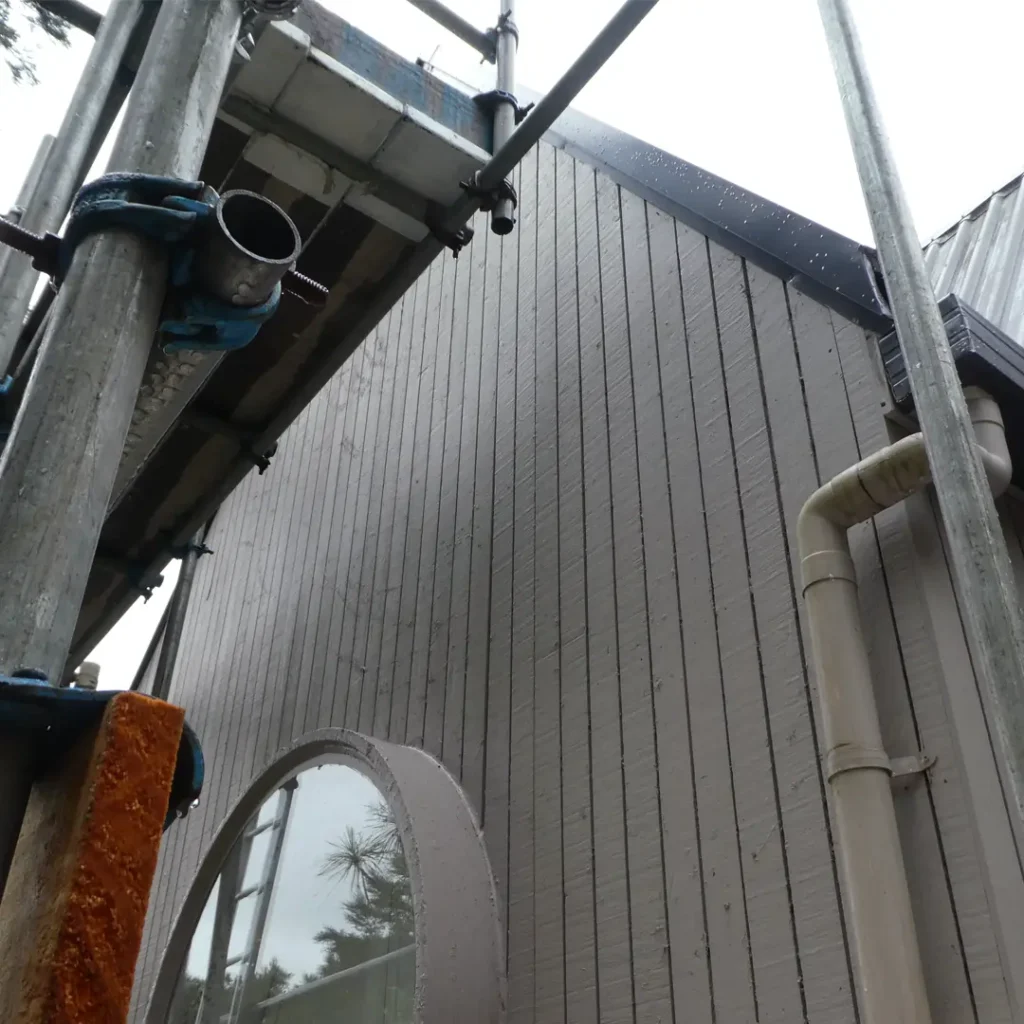
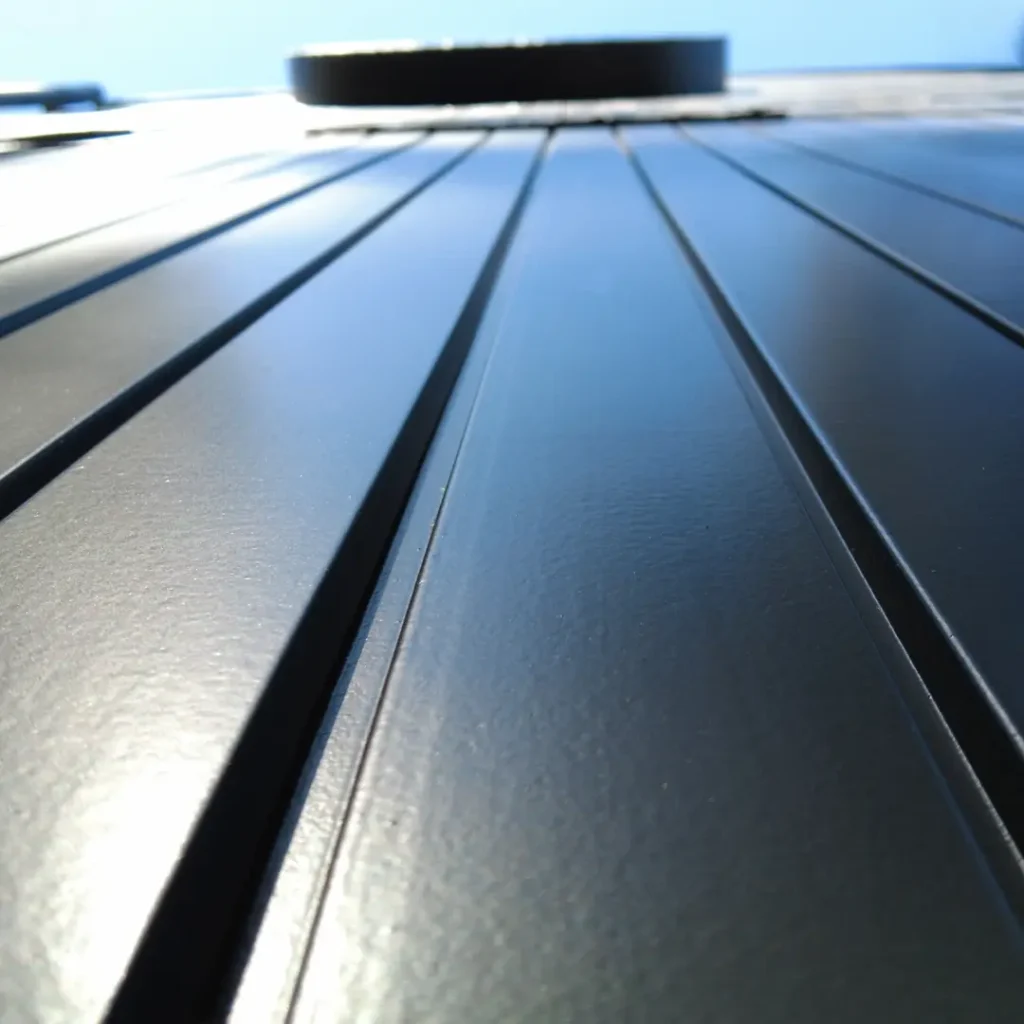
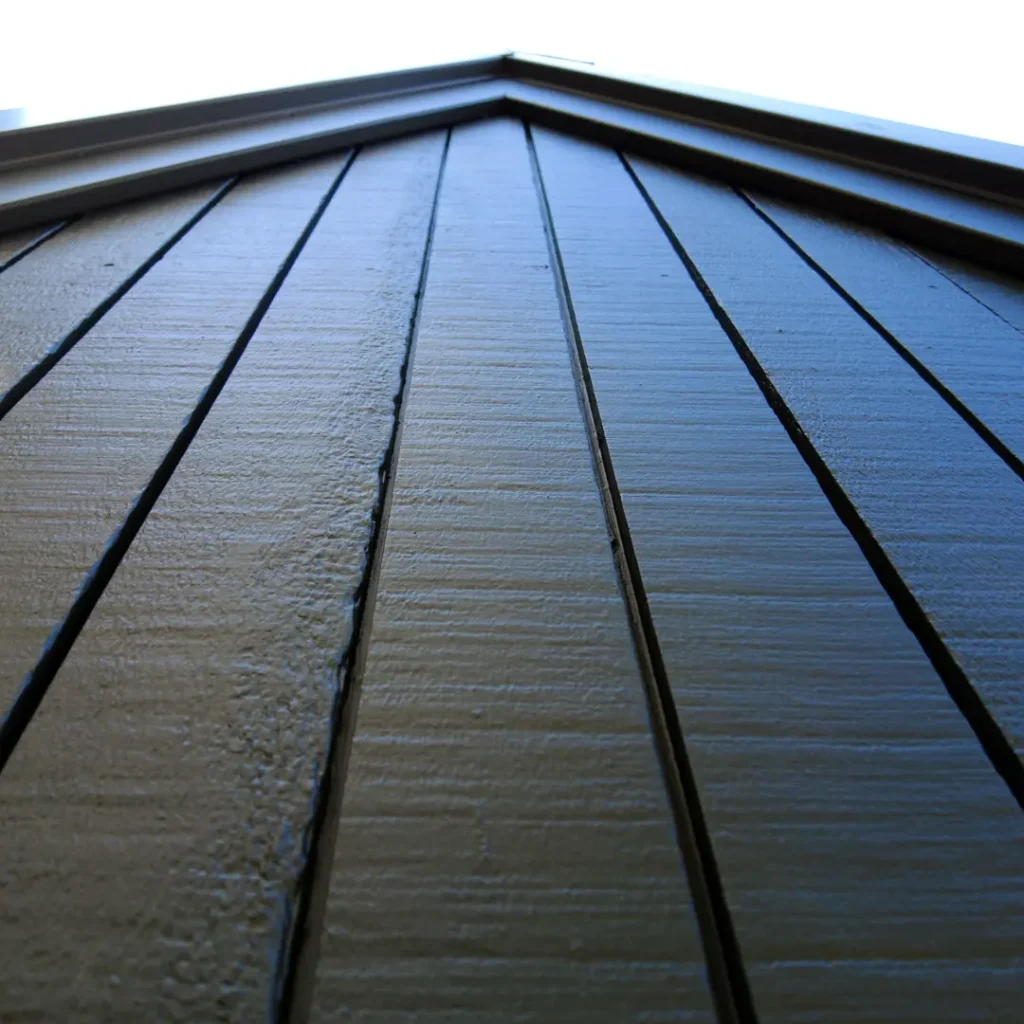
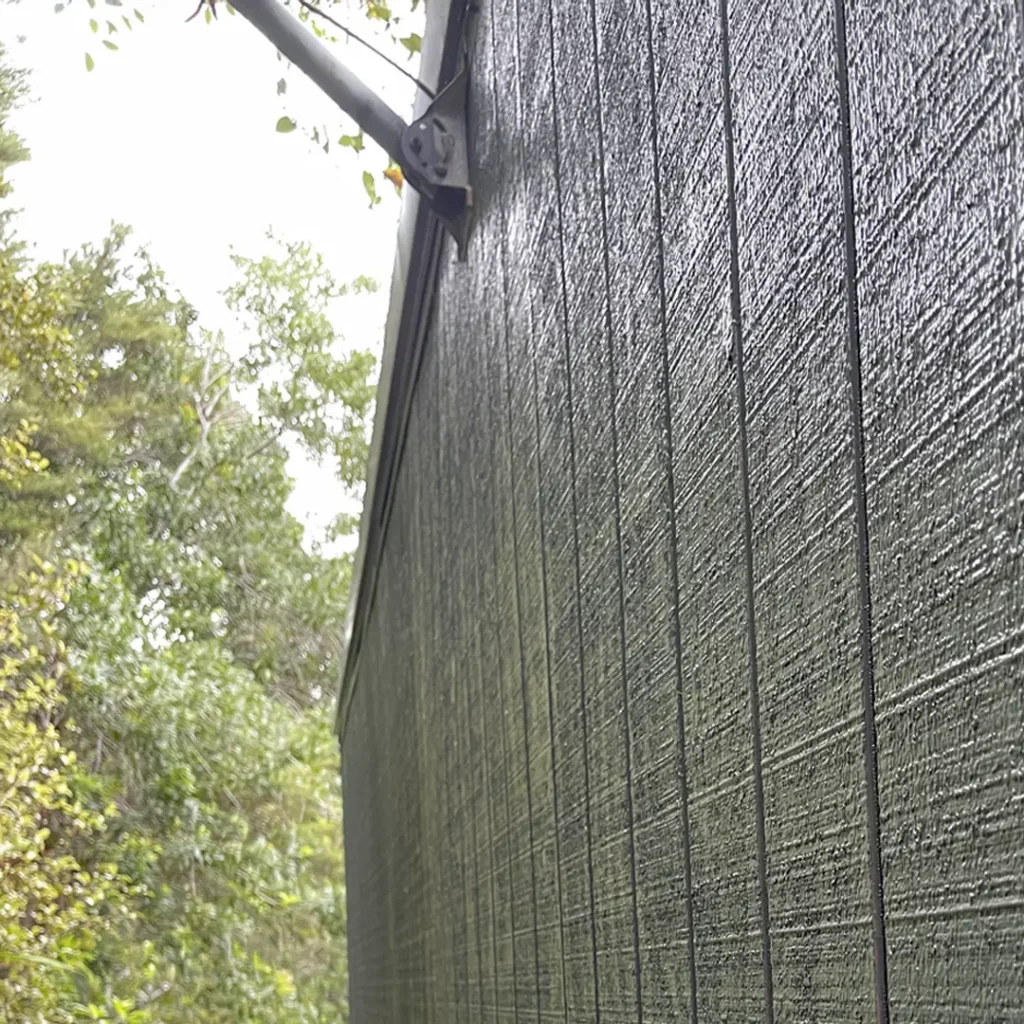
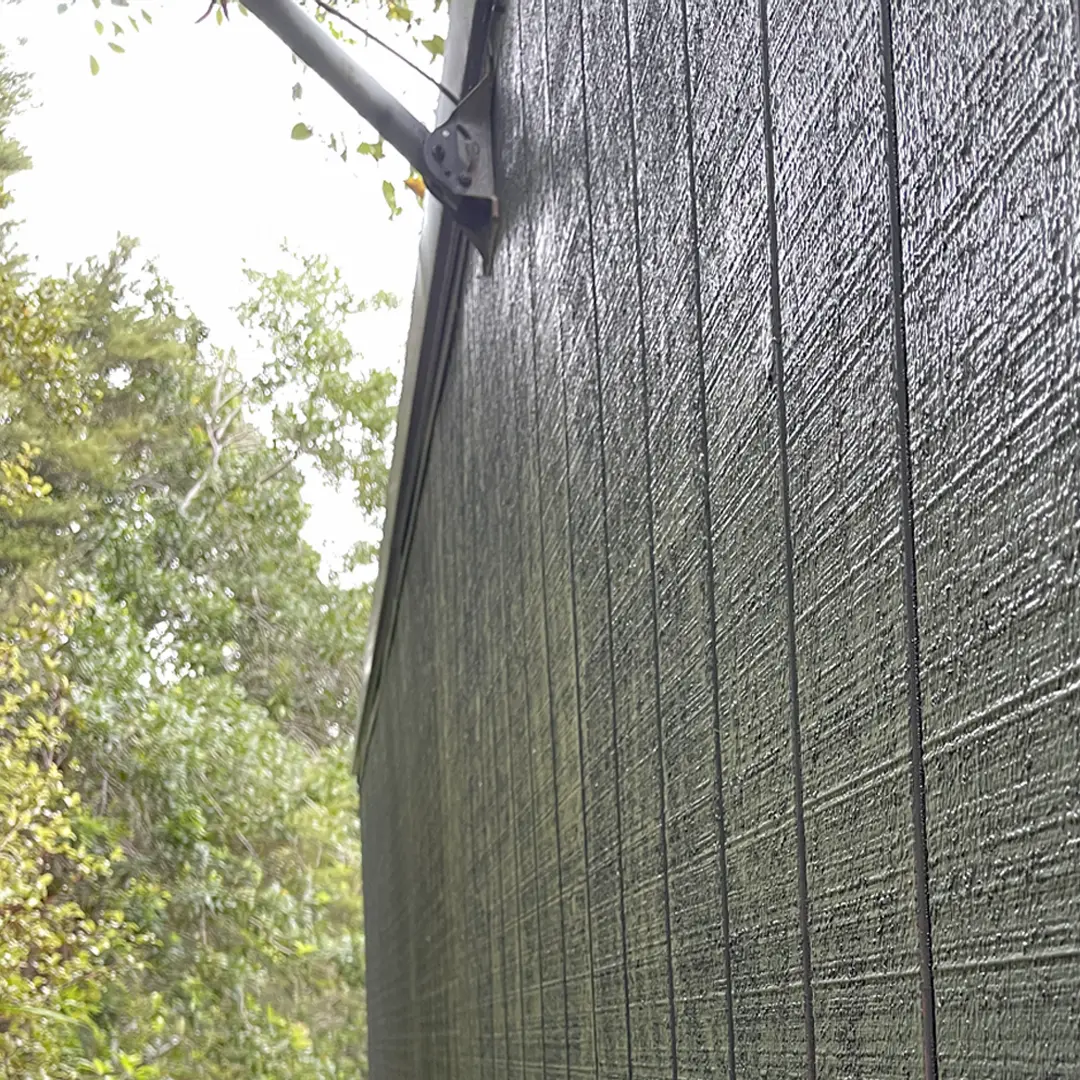
    The cladding on this home is rough sawn which means there is very little sanding and preparation required.

    With the preparation completed the house painters used a specialist product by Dulux called Weathershield® ColourGuard™ and the colour chosen was Rāwene. Below we outline the reasons why we selected this particular product.
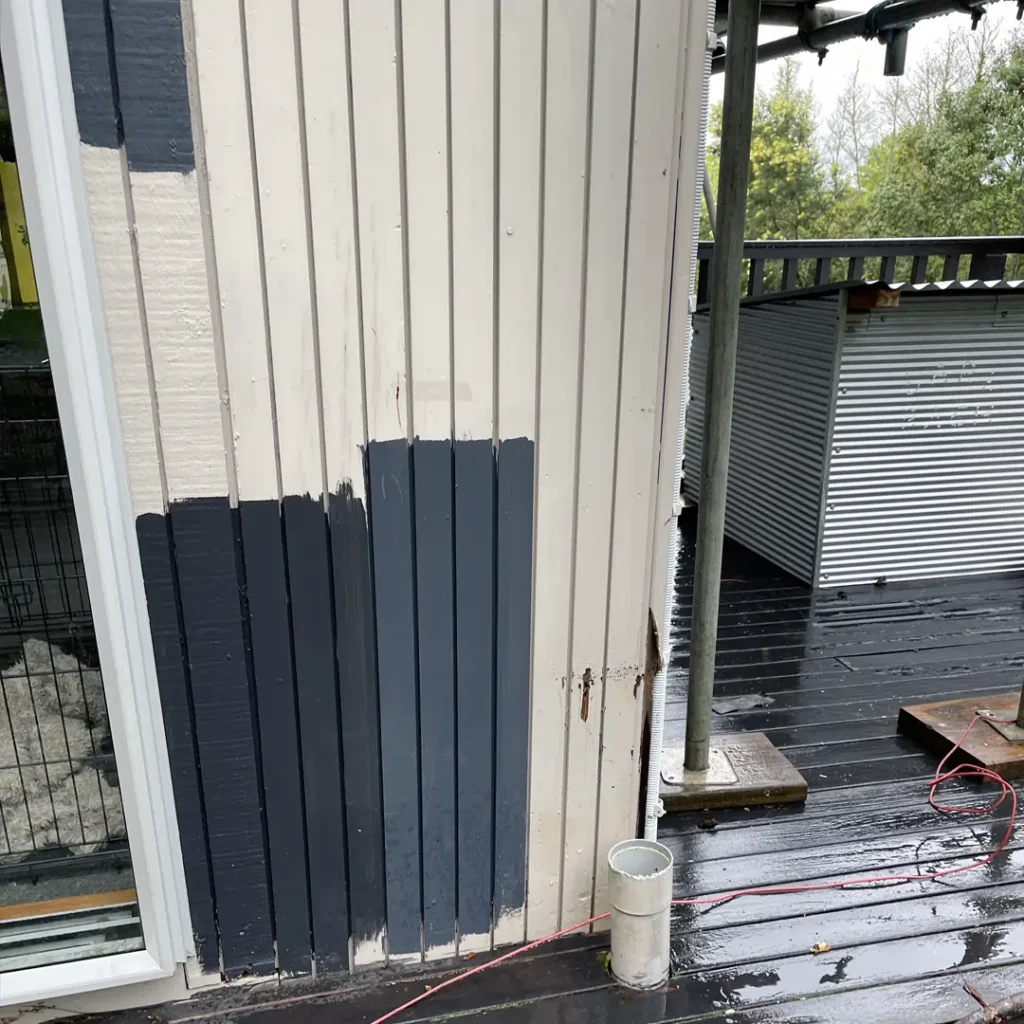
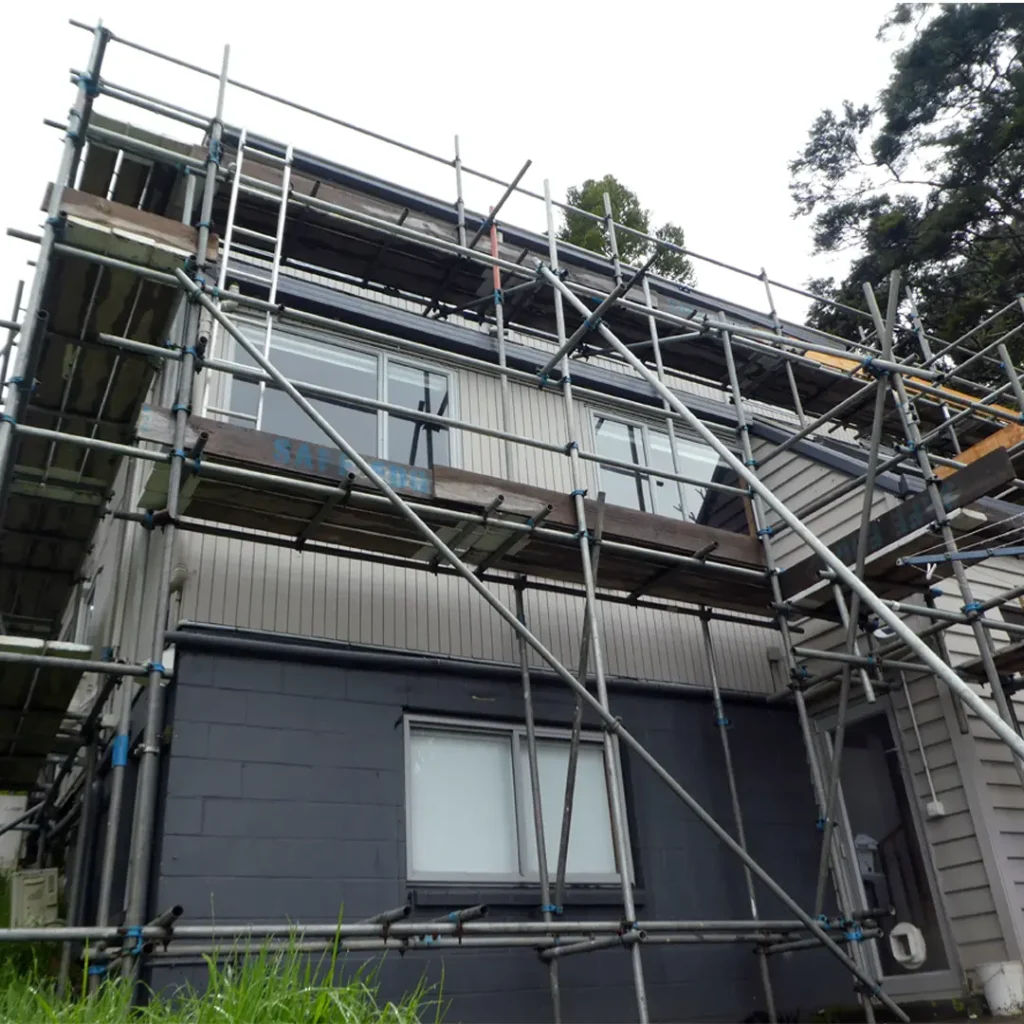
    Product Selection

    The colour choice for this home was Rāwene which is described as a popular dark charcoal with a subtle bluish undertone. https://www.dulux.co.nz/colour/greys/rawene

    When using dark colours it is important to note that there is a limit to what older weatherboards can tolerate. Darker colours tend to “stress” the wood and previous coatings more leading to failure.

    When looking at colours they all come with an LVR. This is Light Reflective Value. The light reflectance value of an individual colour indicates the amount of light and heat that individual colour will reflect.

    Black has a light reflectance value of zero and absorbs all light and heat. Surfaces low in light reflectance value are generally very dark and can get very hot (such as the black leather seats in a car).

    On the other hand, white has a light reflectance value of nearly 100 and keeps a building light and cool. All colours fit between these two extremes.

    A colour with a light reflectance value of 60 (which means it reflects 60% of the light that falls on it) will reflect more light than a colour with a light reflectance value of 30 (which means it reflects 30% of the light that falls on it).

    Rāwene had a LRV of 7. Typically a colour like this the house painters would recommend paint stripping, and then harnessing the latest paint technology from primer to colour we would be able to achieve the required finish.

    With the cladding being rough saw cladding however, paint stripping is not an option. Fortunately Dulux have a specialty product called Weathershield® ColourGuard™ which is batch made and designed for these situations.

    Why is this important? Lesser experienced painting companies will have just used standard paint which would have resulted in paint failure. By selecting the right paint for the right cladding the house painters were confidently able to achieve a finish that will last…guaranteed!

    Weathershield® ColourGuard™

    Using the latest innovation in dark colour technology the house painters used the Dulux® Weathershield® ColourGuard™ system which has been specifically designed for darker colours and provides superior colour fade resistance.

    Dulux® Weathershield® ColourGuard™ utilises specially formulated heavy duty reflective pigments for superior colour durability. As the sun’s rays hit the painted surface, a percentage of visible and infrared rays are reflected so even the darkest colours stay truer for longer. Due to it’s formulation Dulux® Weathershield® ColourGuard™ is limited to just 28 colours.
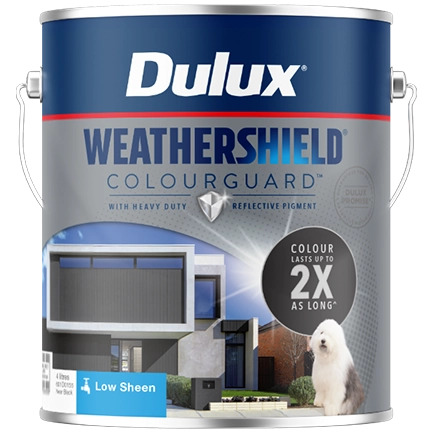
    Dulux Weathershield® ColourGuard™ Colour Rāwene

    Colours Used

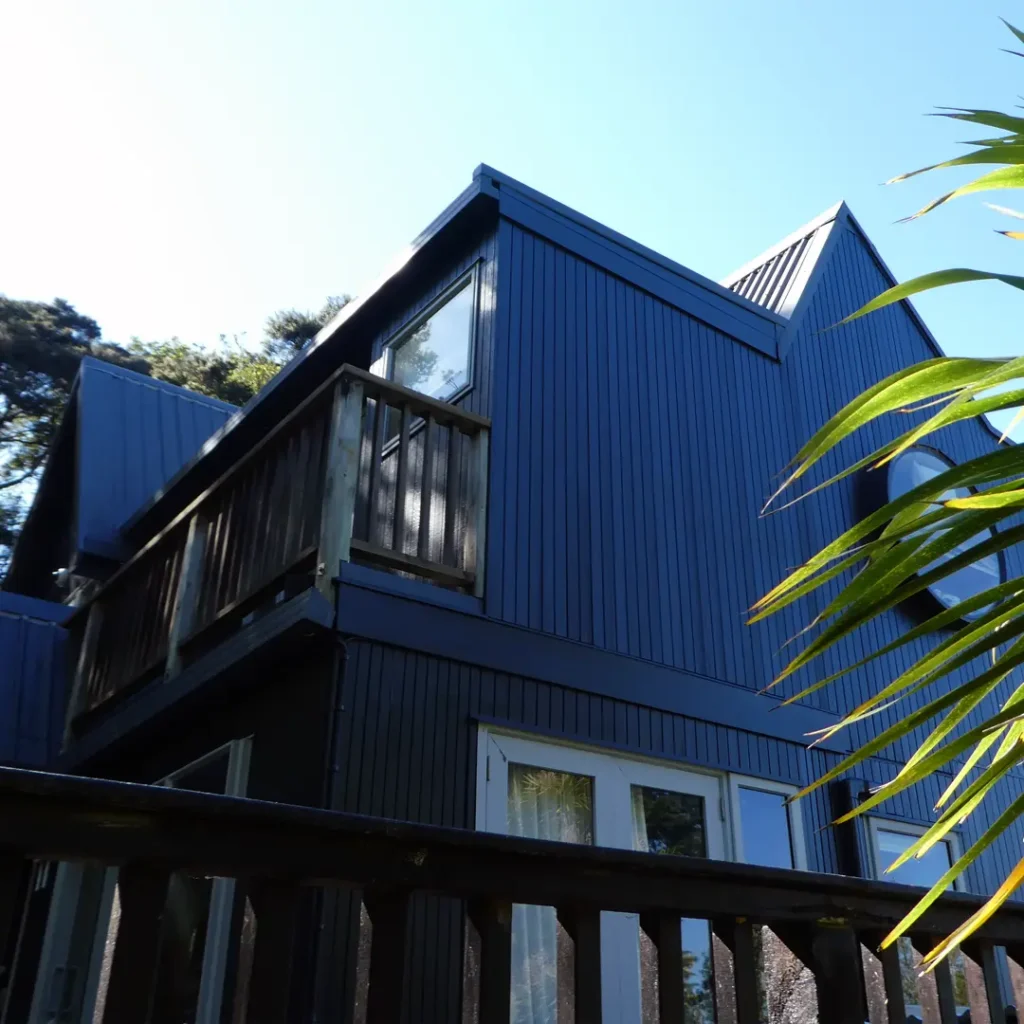
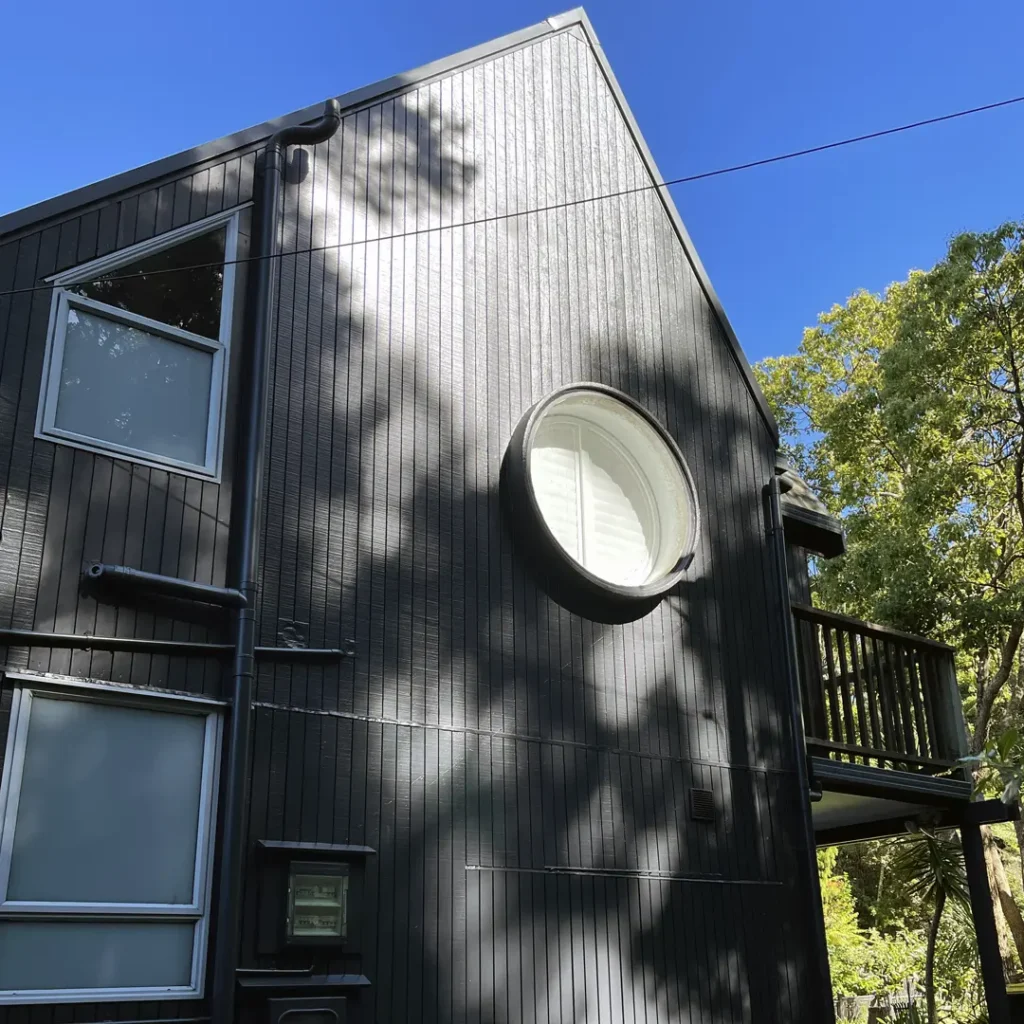
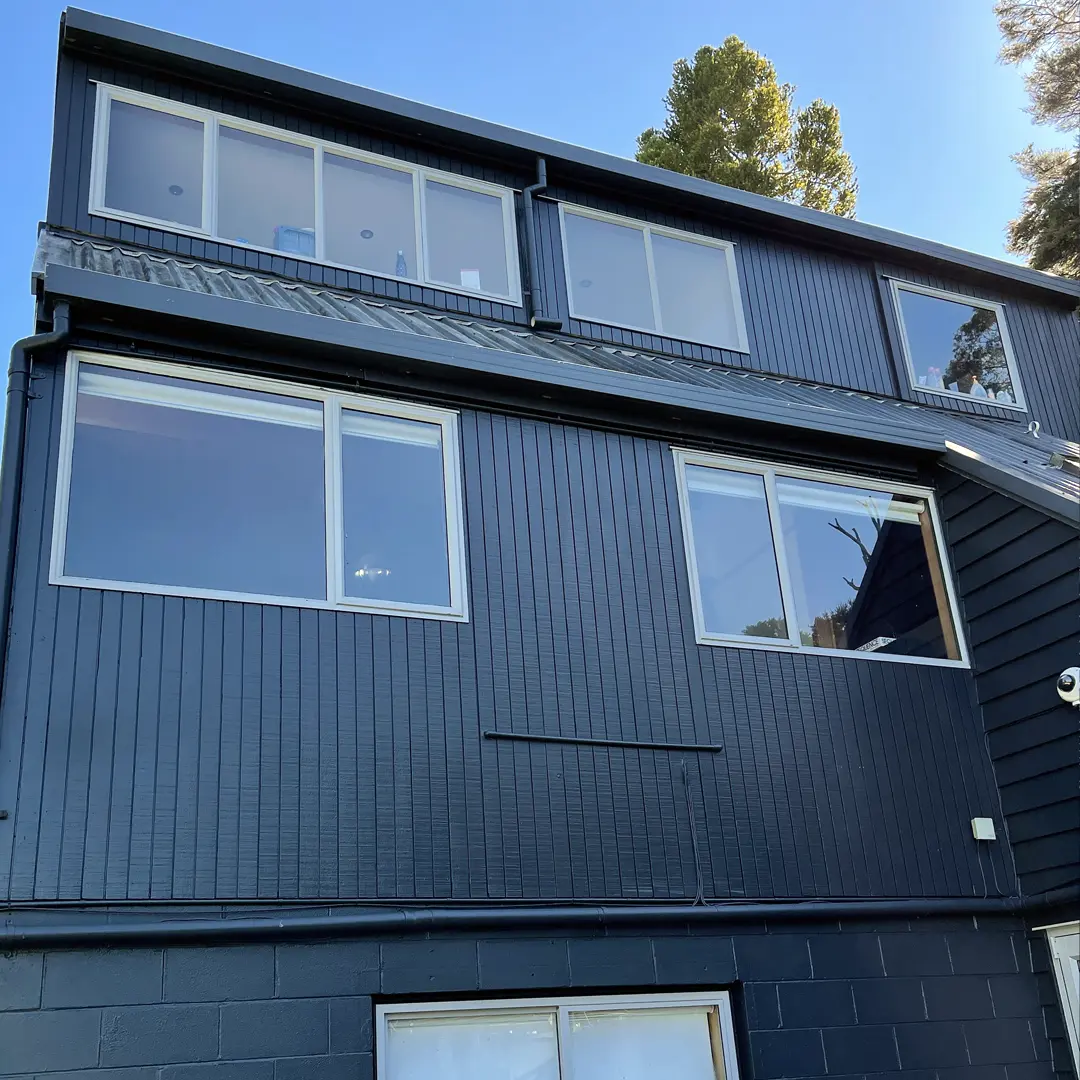
    The image is of a house with windows, taken after exterior painting. It features a clear sky, outdoor setting, and a tree nearby.


    Whole House
    Rāwene


    Whole House
    Rāwene


    Whole House
    Rāwene

    Hover over the target to reveal the actual colours used on this home. These colours are representations only and may vary from actual paint colours.
    Rāwene

    Rāwene is a popular dark charcoal with a subtle bluish undertone. It works well as a contemporary feature colour on exteriors such as a front door. It pairs perfectly with whites such as Mt Aspiring and Ōkārito as well as soft browns and grieges such as Ōpononi.

    Dulux Rāwene

    Before & After Gallery

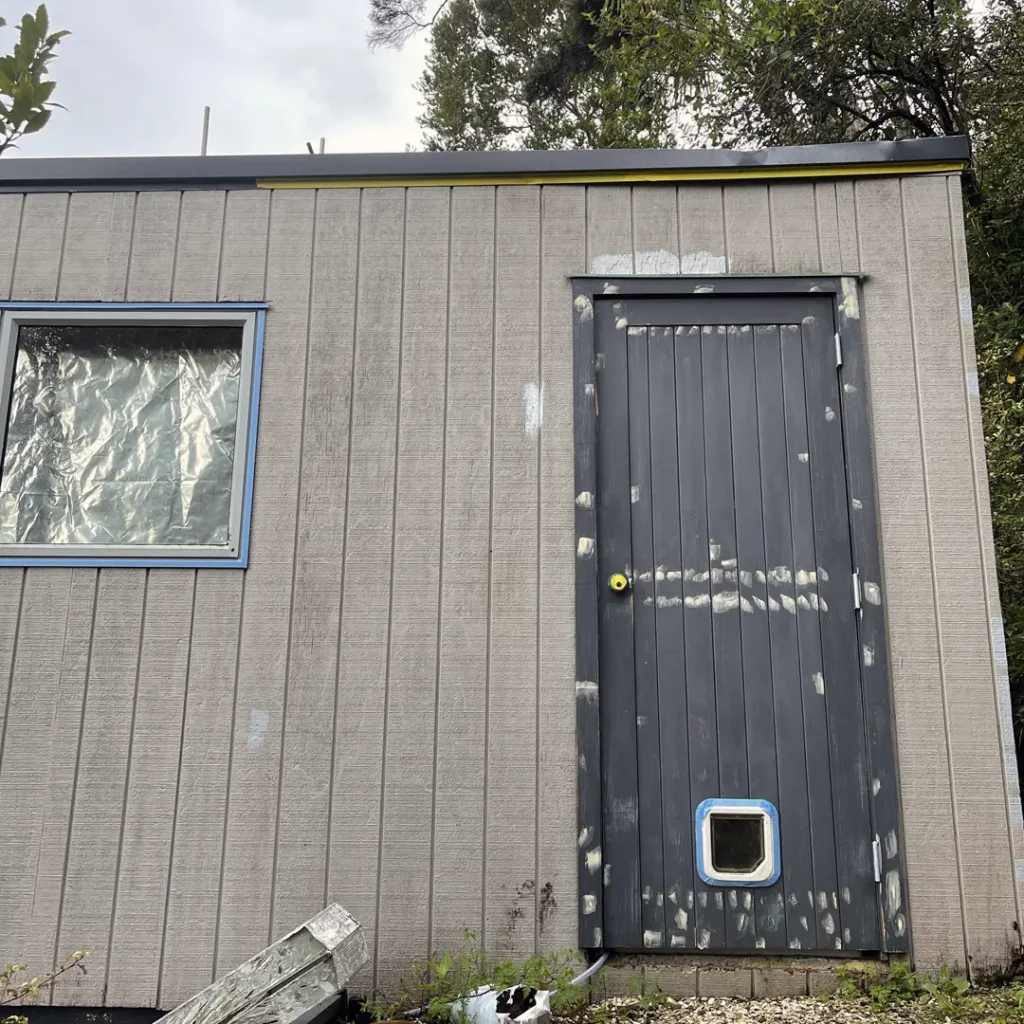
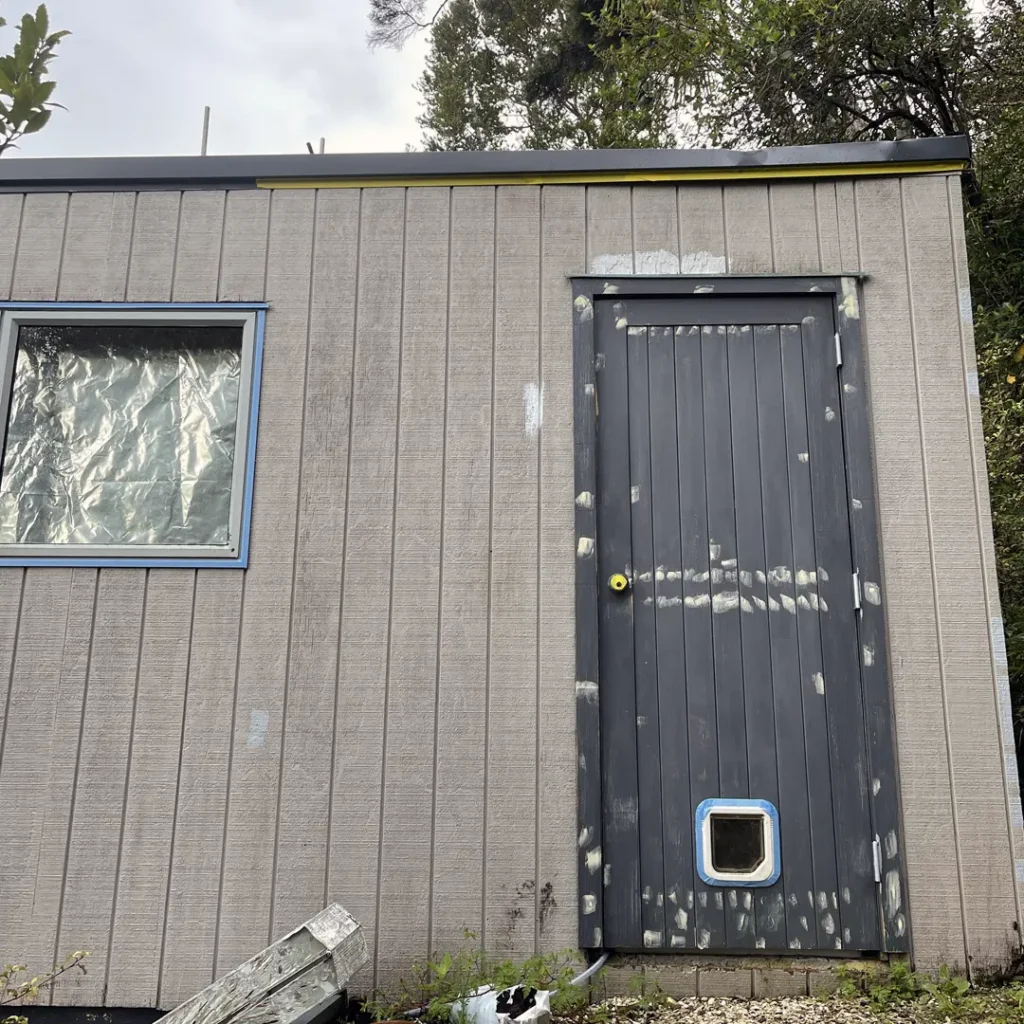
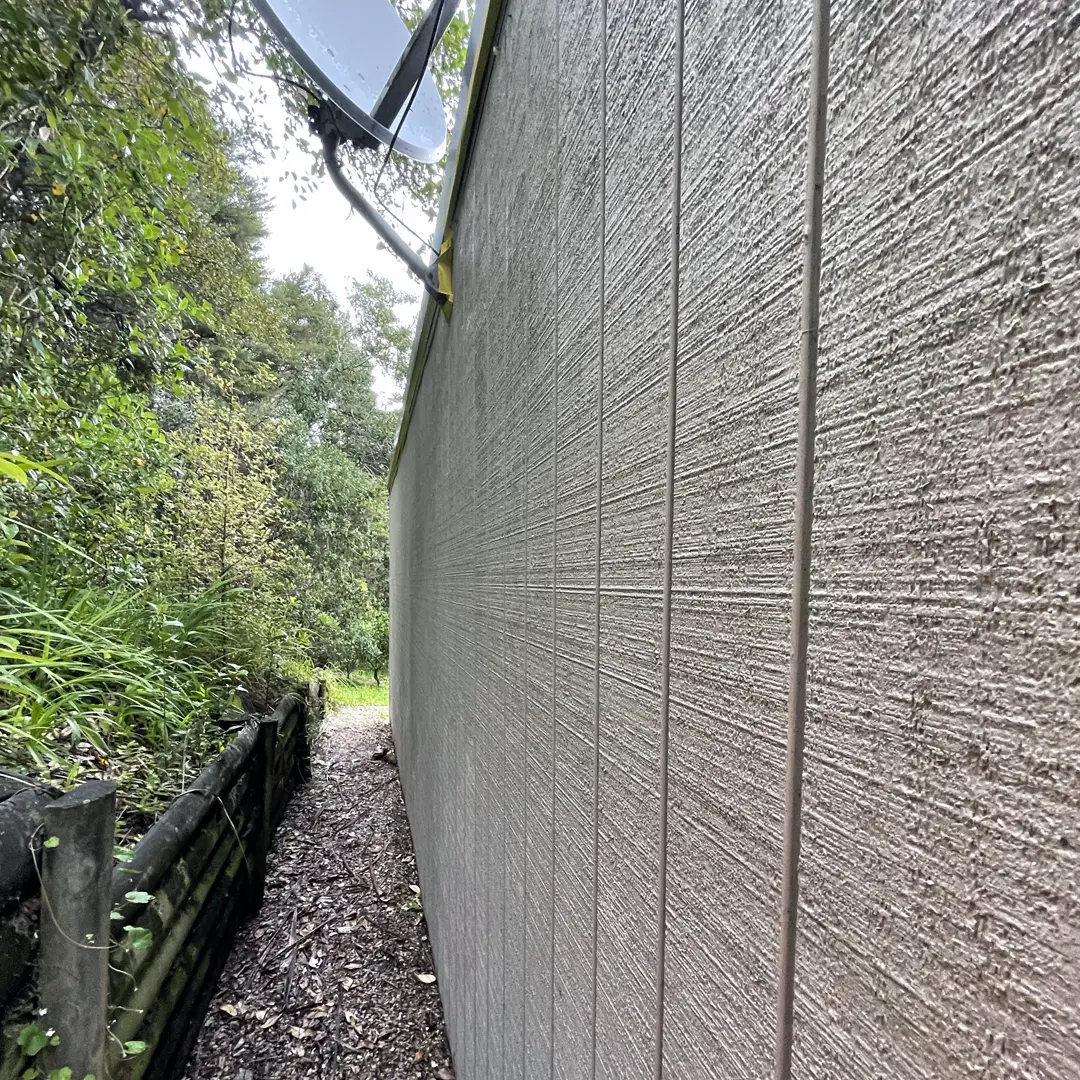
    Exterior of Auckland house before repainting with faded and peeling paint, prior to renovation by the house painters
    The image shows a house exterior before painting, revealing signs of wear and neglect. The paint on the walls appears faded, with areas showing discoloration and uneven patches. Cracks and blemishes are visible on the surface, indicating the need for repair and preparation before repainting. The overall look of the house is tired and in need of restoration to bring back its charm and street appeal.
    The picture shows a house in the stages leading up to exterior painting. A deck, scaffolding, roof, aluminum windows, and vertical cladding are all visible in the scene, which is framed by trees and the sky.
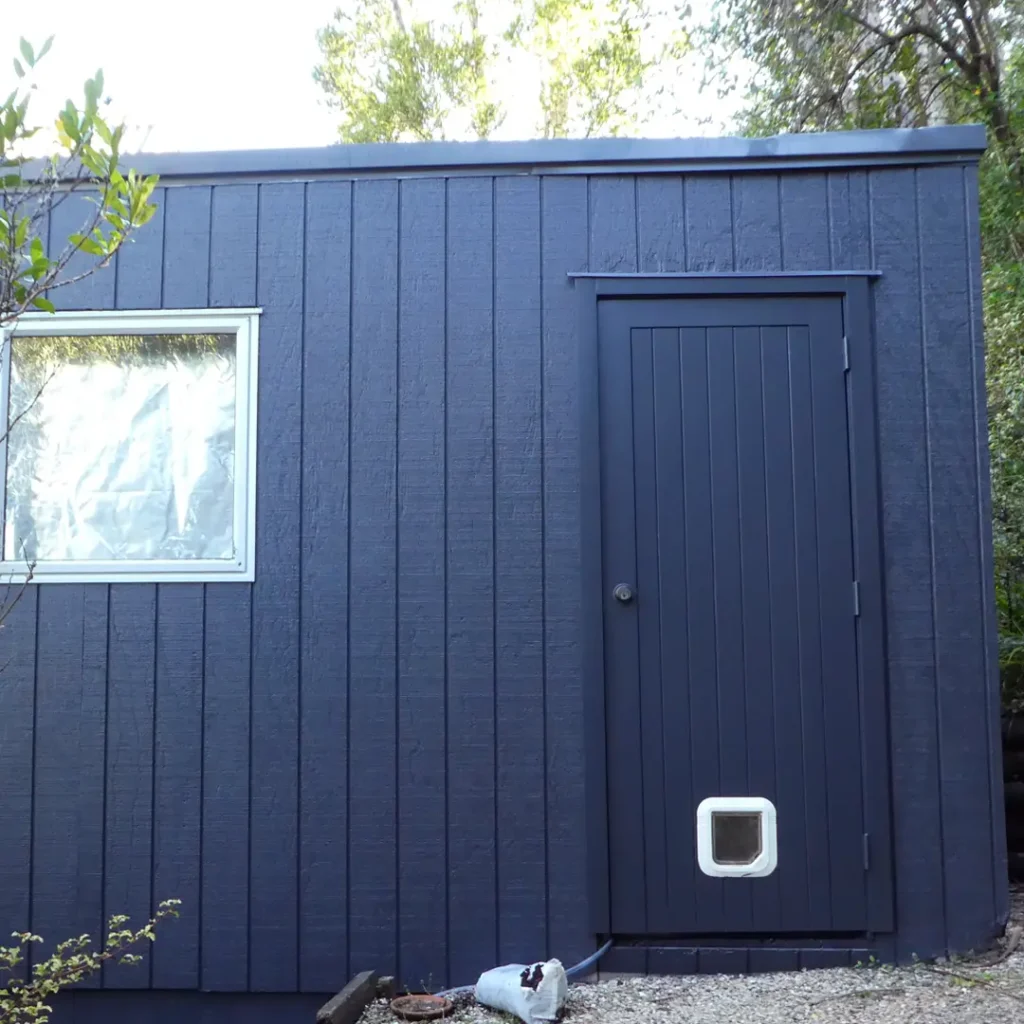
    Freshly painted exterior of Auckland home with clean lines and vibrant colours after renovation by The House Painters.
    The image showcases a beautifully transformed house exterior after a professional painting job. The walls are painted in a fresh, vibrant shade that breathes new life into the structure. The trim and window frames are highlighted in a crisp, contrasting color, adding depth and elegance. The front door stands out as a bold focal point, enhancing the overall welcoming appearance of the home. The surfaces appear smooth and flawless, with no visible imperfections, reflecting meticulous preparation and application. The house exudes a renewed sense of charm and sophistication, making it a standout in its surroundings.
    The image depicts a house after exterior painting using Weathershield® ColourGuard™ Rawene. The house features a deck, aluminium windows, vertical cladding, a roof, and is surrounded by trees and a garden.

    FAQs: Exterior Painting and Weatherboard Protection

    • What is LRV and why does it matter when choosing dark exterior paint colours?

      Light Reflective Value (LRV) indicates how much visible light a colour bounces back, measured on a scale from zero—meaning almost no reflection, such as pure black—to 100, which represents pure white. When dark colours are chosen for exterior timber, understanding LRV becomes essential because lower values translate to higher heat absorption. This often puts more stress on both the timber underneath and any existing coatings, sometimes leading to surface cracking or early paint breakdown. Paint shades that sit below an LRV of around 20 fall into the “dark” category and demand specialised formulations capable of tolerating increased thermal load. The colour Rāwene, highlighted in this project, carries an LRV of just 7, which means it absorbs most of the sun’s energy. To prevent heat-related damage and fading, it was applied using the Dulux Weathershield® ColourGuard™ system, developed to keep deep tones stable and consistent for many years.

    • How does Dulux Weathershield® ColourGuard™ prevent dark colours from fading?

      Weathershield® ColourGuard™ contains heavy duty reflective pigments not found in traditional exterior paints. These specialised pigments reflect visible and infrared rays from the sun, reducing the surface temperature even on the darkest colours. By lowering heat absorption, the technology slows thermal degradation and prevents common dark colour problems like chalking, blistering, and colour fade. This innovative formulation allows dark colours to last up to twice as long as conventional premium exterior paints, keeping your home looking fresh for many more years.

    • How does Weathershield® ColourGuard™ compare to standard exterior paints for timber weatherboards?

      Weathershield® ColourGuard™ is batch-made specifically for high-risk dark colour applications where standard paints would fail. The formulation includes MaxiFlex Technology that expands and contracts with timber movement, preventing peeling, flaking, and blistering. While standard exterior paints work well for lighter colours, they lack the reflective pigment technology essential for colours with LRV values below 20. Dulux guarantees Weathershield® ColourGuard™ won’t peel, flake or blister for as long as you live in your home when applied according to specifications—a confidence level impossible with conventional dark exterior paints.

    • Can any weatherboards handle extremely dark colours or are there limitations?

      Older weatherboards or those showing surface wear present particular challenges when finished in deep tones. Dark shades take in far more sunlight, trapping heat that places extra pressure on both the timber and any existing layers of coating, which can accelerate movement, cracking, and other signs of failure. In heritage homes or properties where several coats have built up over time, professionals often suggest one of two careful approaches: either stripping everything back to bare timber and rebuilding the coating system with high‑quality primers and finishes, or selecting a lighter colour with a higher Light Reflectance Value (LRV)—typically above 20—to help reflect heat and reduce surface stress.

    • Why can't you paint strip rough sawn weatherboards?

      Paint stripping is not an option for rough sawn cladding due to the deeply textured surface created by the sawing process. The irregular grain patterns and deep grooves make it impossible to effectively strip paint without damaging the timber fibres. Unlike smooth weatherboards where paint stripping can provide a clean surface, rough sawn timber requires alternative preparation methods including treating for moss and mould with specialised killers, thorough washing, and proper priming. The rough texture actually works to your advantage when using the right paint system, as it provides excellent adhesion for products like Weathershield® ColourGuard™ without requiring extensive preparation.

    Follow Us On Social Media

    Thinking of Painting?

    Similar Projects

    The House Painters Auckland

    To achieve such a dramatic colour change the weatherboards needed to be completely strippedThe house painters are experts in…find out more
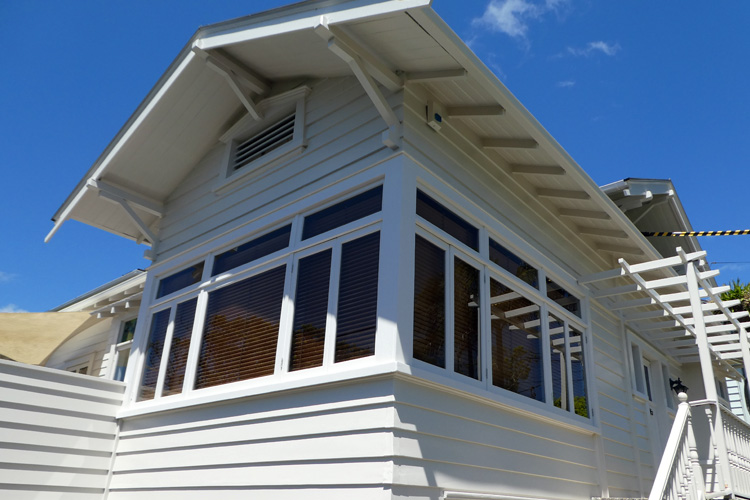
    the house painters exterior painting birkenhead north shore auckland city

    Overlooking Little Shoal Bay on Auckland’s North Shore this beautiful home built in 1925 needed some urgent attention to keep it looking good….find out more
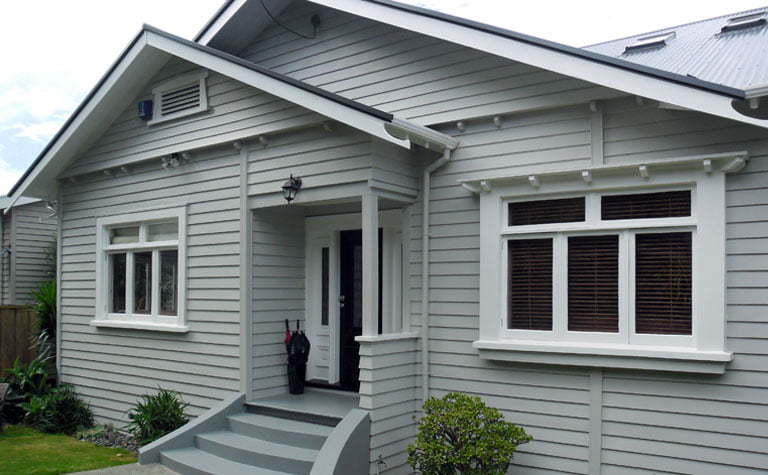
    A Remuera home transformed with colour!

    The house painters used the latest paint stripping technology, The Paint Shaver Pro, to strip sections of weatherboards of this property in Remuerafind out more

    Leave a Comment

    Your email address will not be published. Required fields are marked *